Why Chimney Pipe Diameter Affects Tent Wood Stove Performance
Understanding Chimney Pipe Diameter and Its Impact on Stove Performance
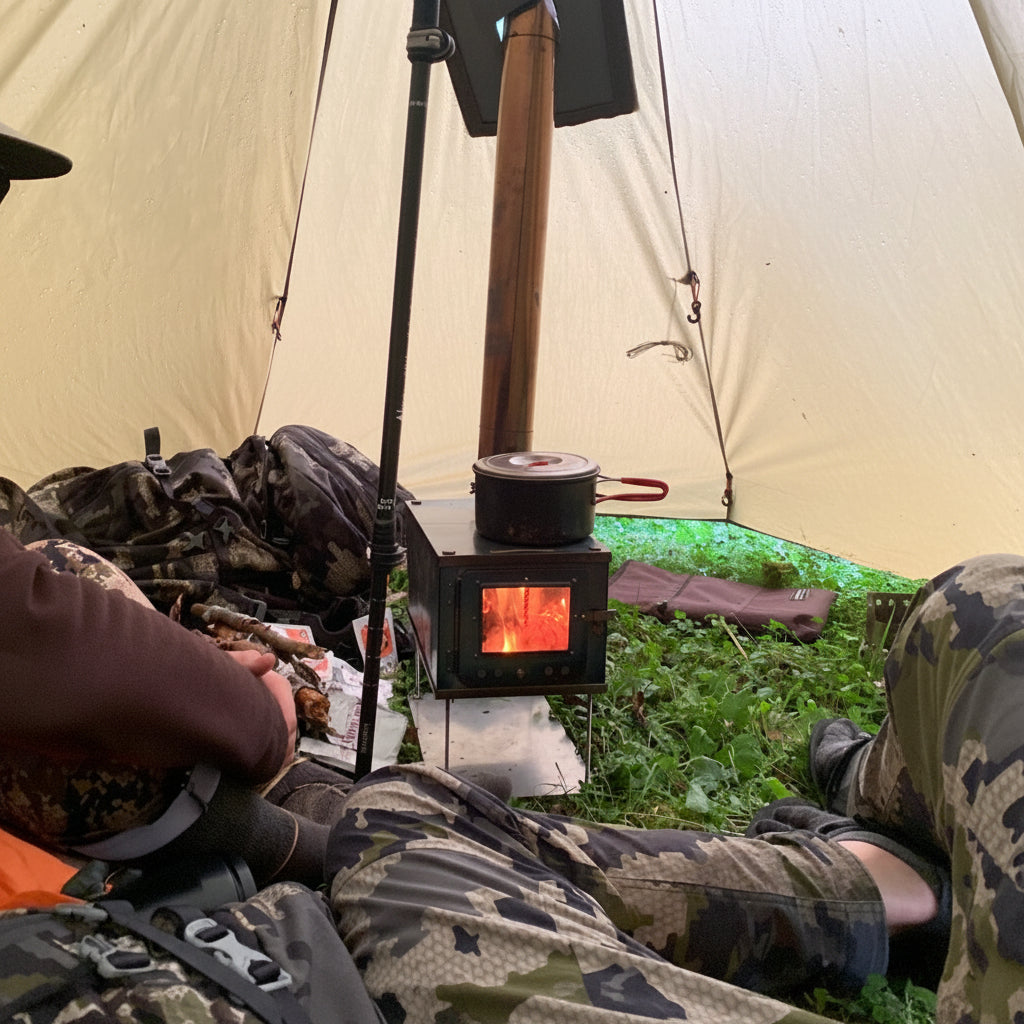
When setting up a wood stove in your tent, one of the most overlooked factors is chimney pipe diameter. Many campers assume that any pipe will work as long as it vents smoke outside, but the truth is far more nuanced. The diameter of your chimney pipe directly influences draft, heat efficiency, and overall stove performance.

What Is Draft and Why Does It Matter?
Draft is the natural flow of air and combustion gases up through your chimney and out of your tent. Think of it as the "pull" that keeps your fire burning efficiently. A properly sized chimney pipe creates optimal draft, which means your stove burns hotter, cleaner, and more efficiently. Without adequate draft, smoke backs up into your living space, and your fire struggles to maintain temperature.
How Pipe Diameter Affects Draft
Chimney pipe diameter is measured in inches, typically ranging from 2 to 8 inches for tent wood stoves. A pipe that's too small restricts airflow, creating excessive back pressure that chokes your fire and forces smoke into your tent. Conversely, a pipe that's too large allows hot gases to escape too quickly, reducing the heat transfer into your tent and wasting fuel.
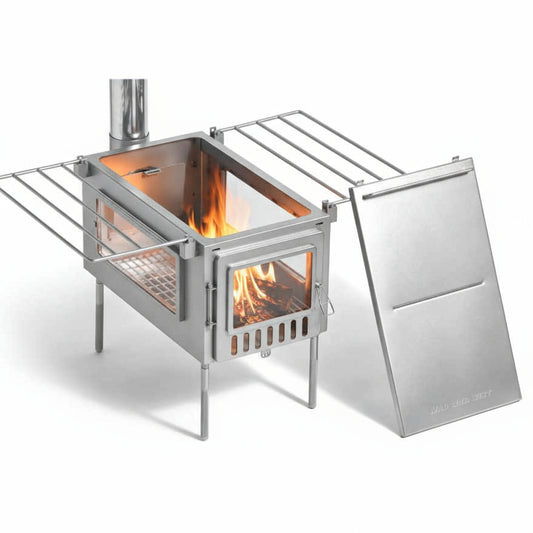
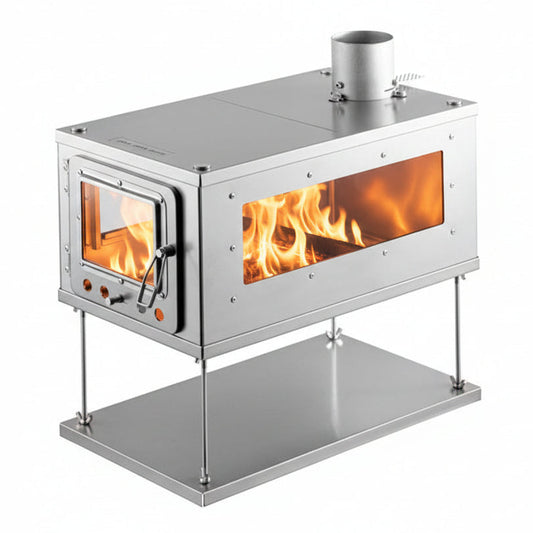
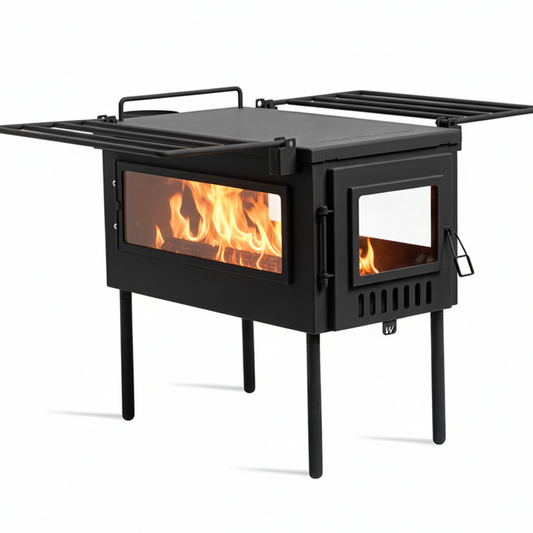
The sweet spot depends on your stove's design. Most quality tent wood stoves are engineered to work with a specific pipe diameter—usually 2 to 6 inches. Matching your chimney pipe to your stove's outlet diameter ensures the system works as intended by the manufacturer.
Heat Efficiency and Fuel Consumption
When your chimney diameter is correctly sized, heat transfer is optimized. The gases move through the pipe at the right speed, allowing maximum heat to radiate into your tent before exiting. This means you burn less wood to achieve the same warmth, saving you money and reducing the work you need to do in the backcountry.
An undersized pipe forces your stove to work harder, consuming more fuel and producing less usable heat. An oversized pipe lets heat escape too quickly, requiring you to feed the fire constantly just to maintain temperature.
Smoke Control and Safety
Proper draft keeps smoke flowing upward and out of your tent. If your pipe diameter is too small, smoke will back up into your living space, creating an uncomfortable and potentially hazardous environment. Correct sizing ensures clean, efficient combustion and a smoke-free interior.
Installation Considerations
When installing your chimney pipe, maintain a straight vertical run whenever possible. Bends and horizontal sections reduce draft efficiency, so minimize them. If you must use elbows, use 45-degree angles rather than 90-degree angles (if possible), and keep the total length reasonable. The pipe should extend well above your tent's peak to prevent downdrafts from wind.
Ensure all connections are tight and sealed. Gaps allow heat and draft to escape, reducing performance and creating safety hazards.
Choosing the Right Diameter for Your Setup
Always consult your stove's manual for the recommended chimney pipe diameter. This specification is based on the stove's combustion chamber size, air intake design, and intended heat output. Using the manufacturer's recommended diameter ensures your stove performs as designed and maintains its warranty.
If you're upgrading or replacing your chimney system, match the diameter to your stove's outlet. Adapters exist to bridge size differences, but they should be a temporary solution, not a permanent fix.
Final Thoughts
Chimney pipe diameter might seem like a minor detail, but it's fundamental to how your tent wood stove performs. The right diameter creates efficient draft, maximizes heat output, minimizes fuel consumption, and keeps your tent smoke-free. Take time to verify your setup matches your stove's specifications, and you'll enjoy a warmer, more efficient camping experience.