Why Chimney Pipe Height Matters on a Tent Wood Stove
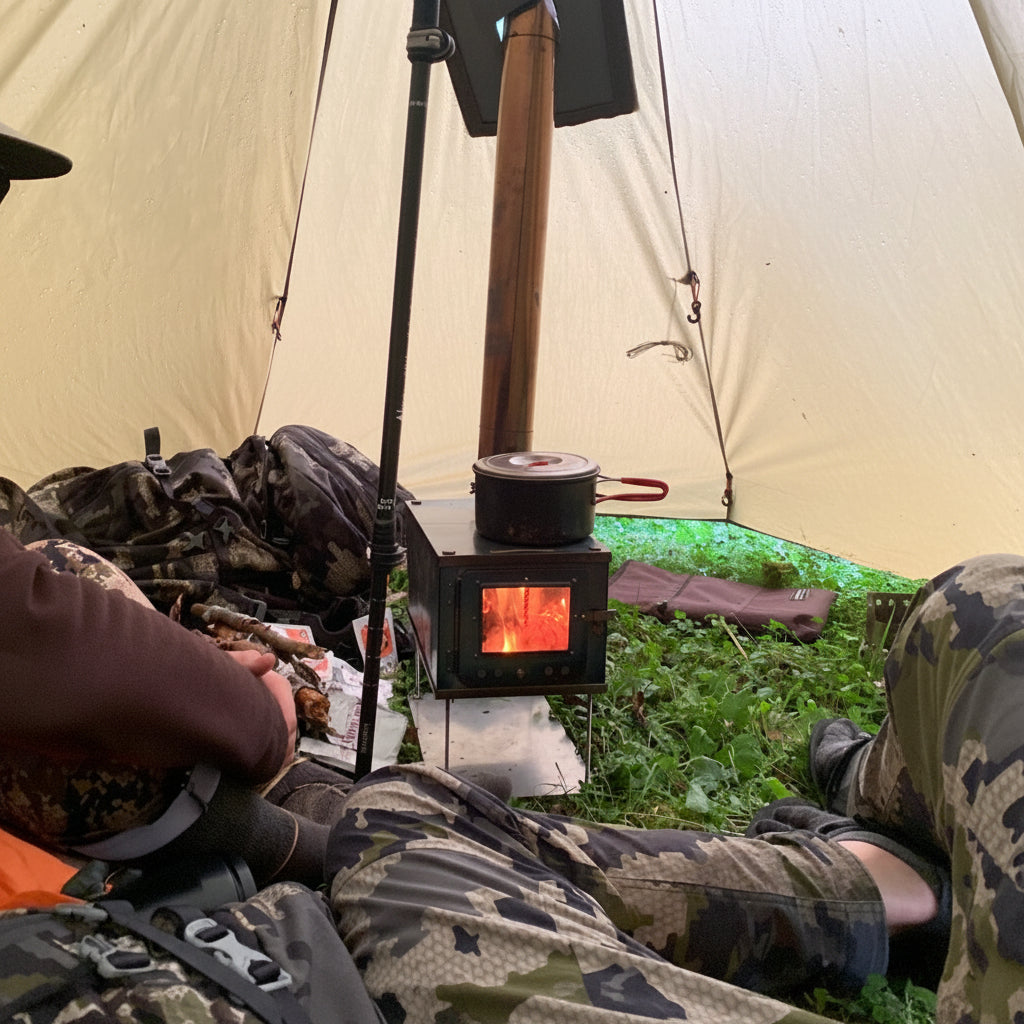
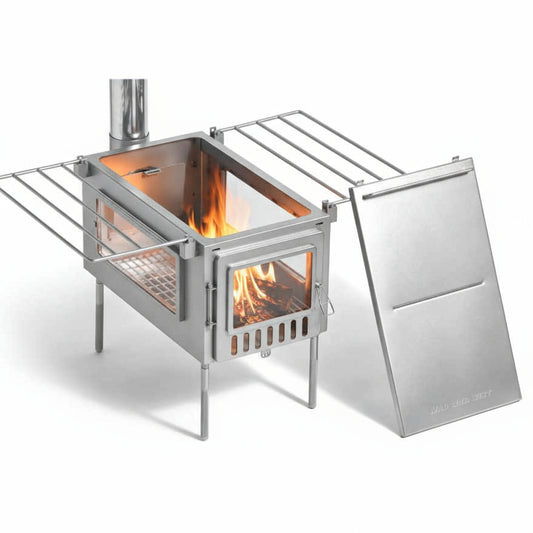
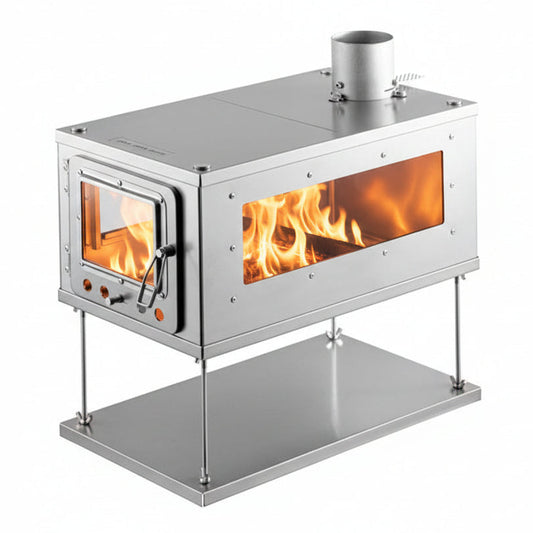
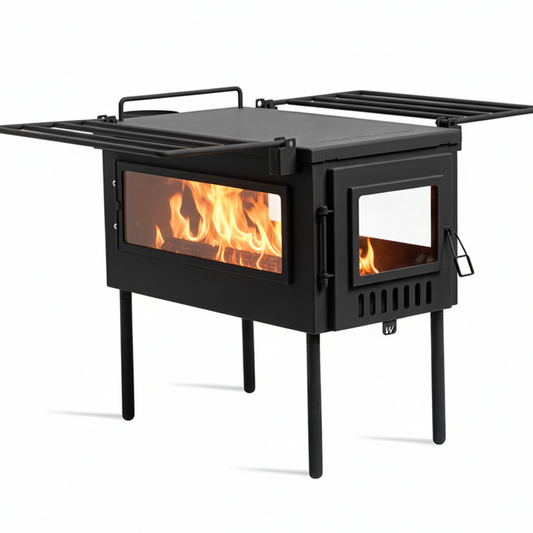
Chimney pipe height is a fundamental design consideration that directly affects how your tent wood stove performs. Many campers don't realize that the vertical distance your pipe extends above the stove has measurable impacts on draft, heating efficiency, and safety—making it one of the most important specifications to get right.

Understanding Draft and Combustion
Draft is the natural flow of air that pulls oxygen into your stove and pushes exhaust out through the chimney. This flow is created by the temperature difference between the hot gases inside the pipe and the cooler air outside. The taller your chimney pipe, the greater this temperature differential becomes, which means stronger draft and more efficient combustion.
A pipe that's too short won't generate enough draft to sustain a clean, hot burn. Your stove will struggle to maintain temperature, produce excessive smoke, and waste fuel. Conversely, a pipe of proper height creates the ideal draft conditions, allowing your stove to burn hotter, cleaner, and more efficiently with less wood consumption.
Heating Performance and Tent Warmth
The height of your chimney pipe influences how much heat radiates into your tent before exiting. A properly proportioned pipe allows the stove to reach optimal operating temperature while still delivering warmth to your shelter. If your pipe is too tall relative to your stove's capacity, heat escapes too quickly up the chimney, leaving your tent cold. If it's too short, your stove may overheat or create safety hazards.
The sweet spot depends on your specific stove model and tent size. Most manufacturers provide recommended pipe heights based on their stove's estimated BTU output and design specifications. Following these guidelines ensures you get the heating performance you paid for.
Safety and Structural Integrity
Chimney pipe height also affects how wind and weather interact with your setup. A pipe that extends too far above your tent can catch wind and create stress on the connection points, potentially loosening seals or damaging the stove collar. A pipe that's too short may allow wind to push exhaust back into your tent or create turbulence that disrupts draft.
Proper height also ensures that hot exhaust exits well above the tent fabric, reducing the risk of heat damage or accidental contact. This clearance is critical for safe operation, especially in windy conditions.
Finding Your Ideal Height
Start with your stove manufacturer's recommendations as your baseline. Most quality tent stoves specify an optimal pipe height range. From there, you can make minor adjustments based on your tent size, local weather patterns, and heating needs. Keep detailed notes about what works best in different conditions—this knowledge will make every future camping trip more comfortable and efficient.