Why Many Hunters Switched from Wall Tents to Ultralight Hot Tents
The Shift from Wall Tents to Ultralight Hot Tents: Why Hunters Are Making the Switch
For decades, wall tents dominated the hunting camp landscape. Their spacious interiors, durability, and ability to accommodate wood stoves made them the go-to choice for serious hunters planning extended backcountry expeditions. But over the past several years, a significant shift has occurred. More hunters are abandoning traditional wall tents in favor of ultralight hot tents—and the reasons go far beyond simple preference.

Weight and Packability Changed the Game
The most obvious advantage of ultralight hot tents is their weight and bulk. A quality wall tent can easily tip the scales at 40 to 60 pounds or more, requiring multiple pack animals. Modern ultralight hot tents, by contrast, often weigh between 2 and 15 pounds, making them genuinely packable for backcountry hunters who want to travel light and move camp frequently.
This weight difference fundamentally changes how hunters approach their expeditions. Instead of committing to a single base camp for an entire season, hunters can now move with the game, set up multiple camps, and explore new territory without the logistical burden of hauling massive canvas structures.
Heating Efficiency in a Compact Design
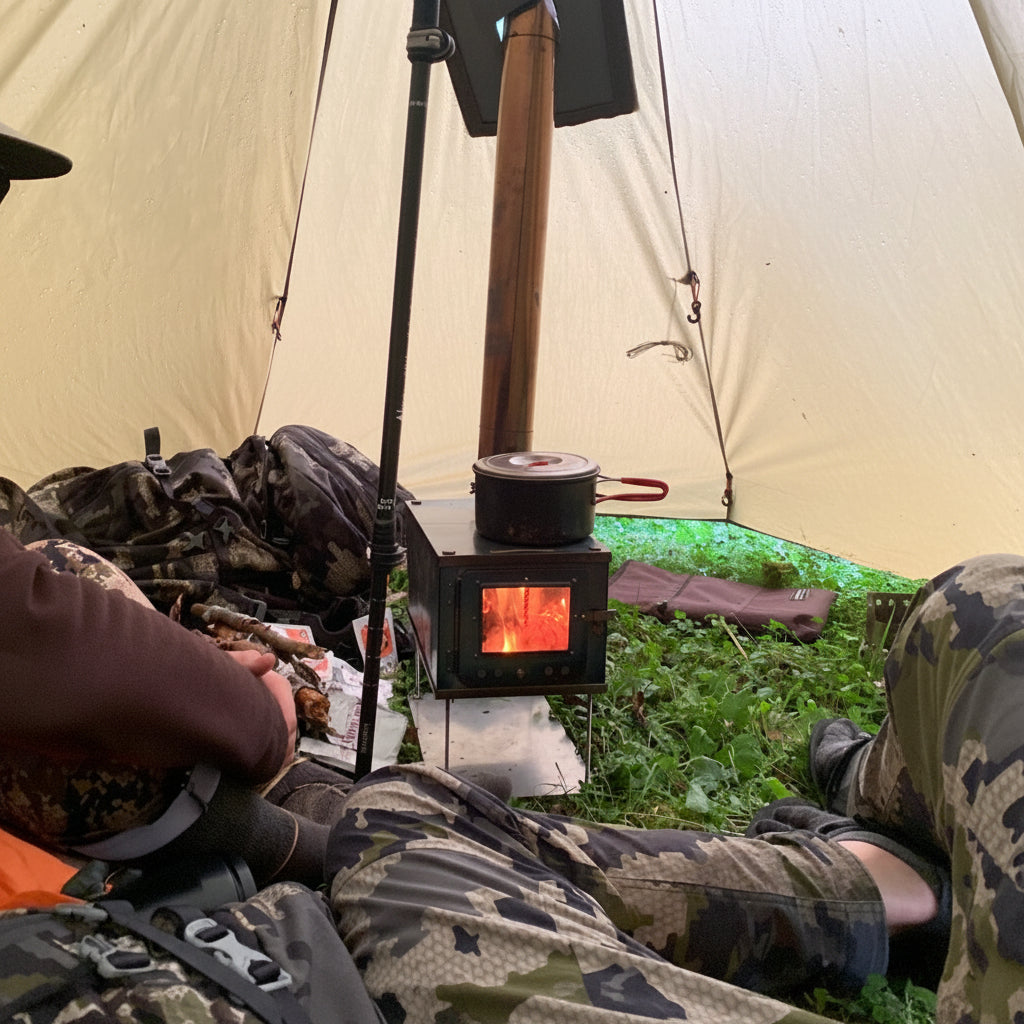
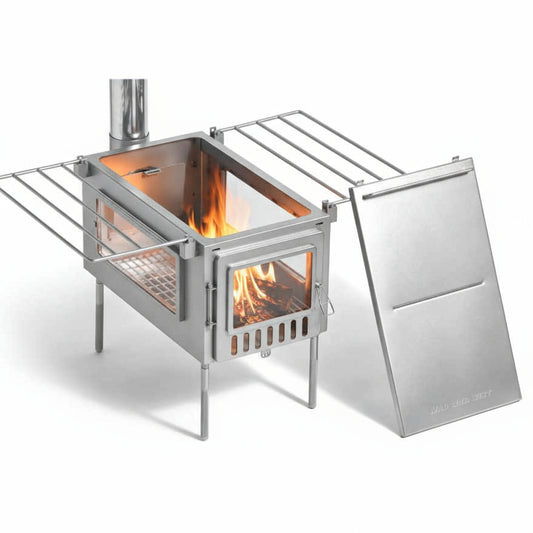
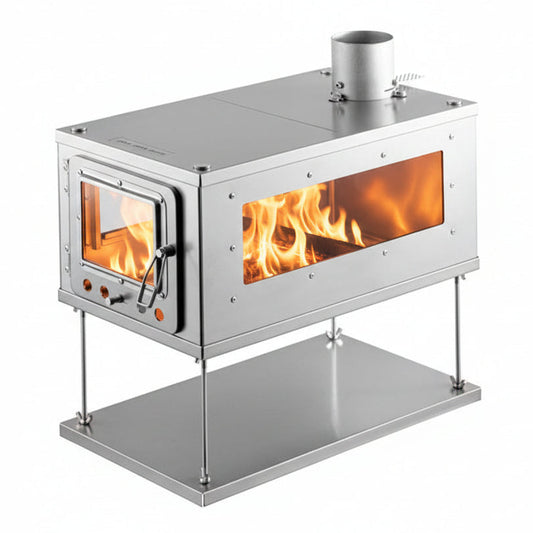
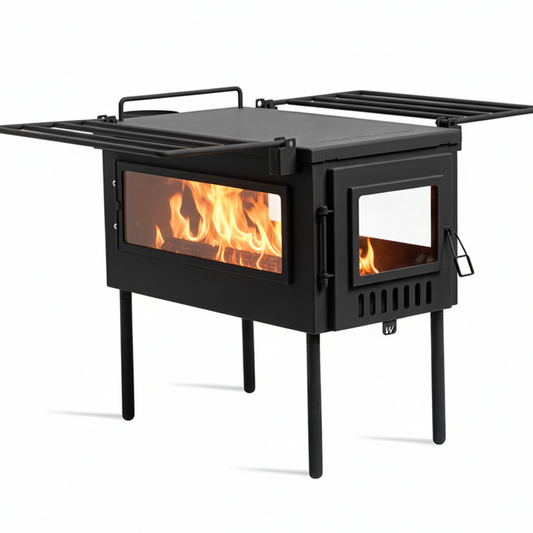
Ultralight hot tents are engineered to work with compact tent wood stoves that deliver serious warmth in minimal space. The smaller interior volume means less air to heat, so a modest stove can maintain comfortable temperatures even in harsh alpine or winter conditions. Wall tents, while spacious, require a much larger stoves and more fuel to achieve the same comfort level—a significant consideration when every ounce matters on a multi-day hunt.
The efficiency of ultralight designs also means hunters can stay warm longer on less wood, reducing the need to constantly forage for fuel in remote areas.
Setup Speed and Simplicity
Wall tents demand time, skill, and often multiple people to pitch properly. They require careful guy-line tensioning, proper stake placement, and sometimes additional support poles. Ultralight hot tents, designed for solo or small-group use, can be set up in minutes by a single person. For hunters who value flexibility and want to maximize daylight hours in the field, this speed advantage is transformative.
Durability Meets Modern Materials
Early ultralight tents had a reputation for fragility, but modern designs use advanced fabrics and construction techniques that rival traditional canvas in durability while maintaining their weight advantage. High-denier nylon, reinforced waterproof seams, and thoughtful engineering mean today's ultralight hot tents can withstand the rigors of serious backcountry hunting without the maintenance demands of canvas.
Cost and Accessibility
Quality wall tents represent a significant investment, often costing several thousand dollars. While premium ultralight hot tents aren't cheap, they're generally more accessible to hunters with moderate budgets. This democratization has opened backcountry hunting to a broader audience, contributing to the trend's momentum.
The Versatility Factor
Ultralight hot tents work across diverse hunting scenarios—from high-altitude elk hunts to late-season mountain goat expeditions to winter hunts in extreme cold. Their adaptability to different terrains, seasons, and hunting styles makes them a practical choice for hunters who pursue multiple game species or hunt in varying conditions throughout the year.
The Wall Tent Still Has Its Place
This shift doesn't mean wall tents are obsolete. They remain the preferred choice for established base camps, guided outfitter operations, and hunters who prioritize maximum comfort and space over mobility. But for the growing segment of independent hunters who value self-sufficiency, mobility, and the ability to pursue game across vast territories, ultralight hot tents have become the clear choice.
The transition reflects a broader evolution in hunting culture—one that favors skill, adaptability, and the freedom to explore over the comfort of a stationary camp. As more hunters experience the advantages of traveling light and moving with the game, the ultralight hot tent revolution shows no signs of slowing down.