Beginner Hot Tent with Stove Questions and Answers
Hot tents and wood stoves have become increasingly popular among serious campers and outdoor enthusiasts, but they come with plenty of questions. Whether you're new to the concept or considering your first setup, understanding the basics can help you make informed decisions and get the most out of your investment.

What exactly is a hot tent?
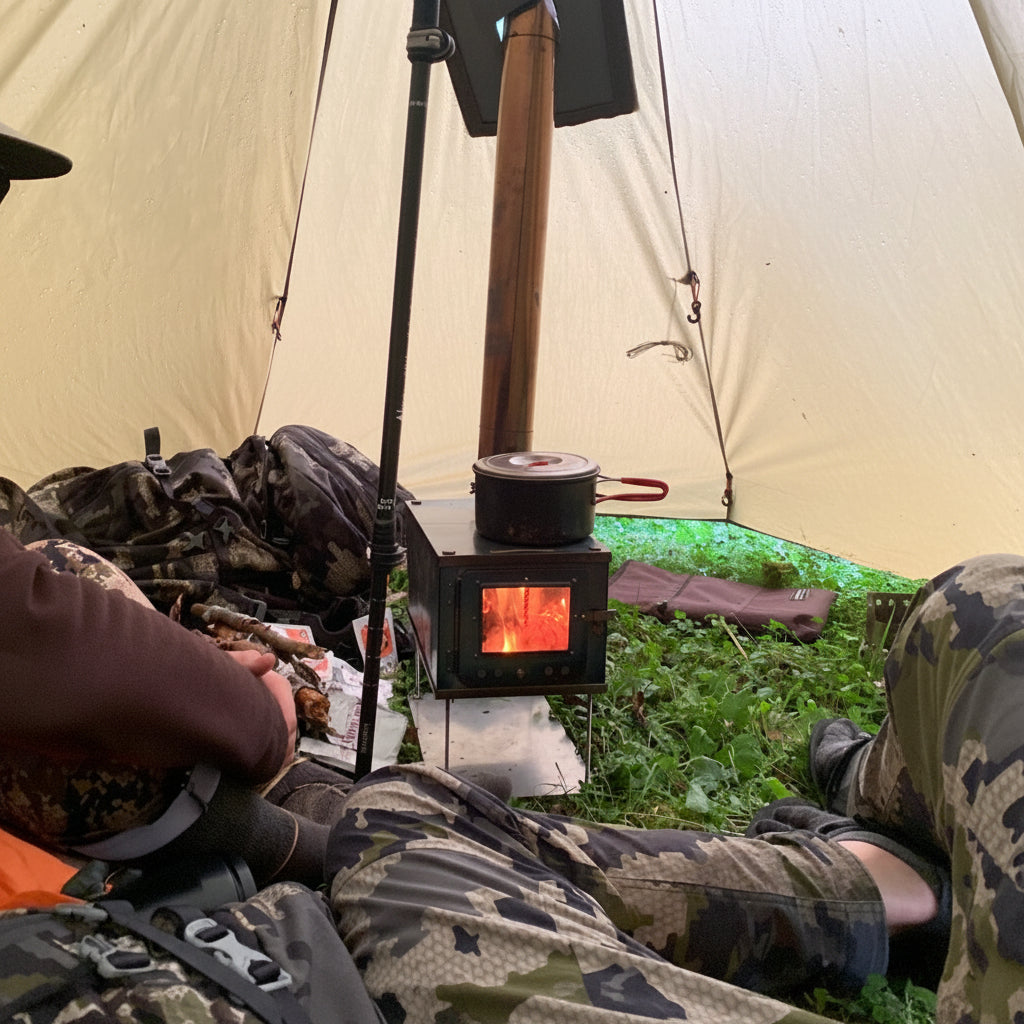
A hot tent is a canvas or synthetic fabric shelter designed to safely accommodate a wood stove inside. Unlike traditional tents, hot tents are constructed with fire-resistant materials and feature a stove jack—a reinforced opening in the fabric that allows the stovepipe to pass through safely. This design lets you heat your shelter during cold-weather camping, making extended trips in winter conditions far more comfortable and viable. Learn more about what a hot tent is!
Are hot tents safe?
Yes, when used properly with quality equipment and safe practices. The key is using a stove specifically designed for hot tents, ensuring proper ventilation through the stove jack, and maintaining clearance between the stovepipe and tent fabric. Always follow manufacturer guidelines, never leave a burning stove unattended, and ensure adequate airflow to prevent carbon monoxide buildup. Investing in a reliable stove and quality tent significantly reduces risks.
What size wood stove do I need?
Stove size depends on your tent dimensions and heating needs. Smaller stoves work well for compact shelters or mild conditions, while larger tents in extreme cold require more substantial heat output. Consider the tent's square footage, fabric insulation quality, and the climate where you'll camp most. Many manufacturers provide sizing recommendations based on tent volume, which is a helpful starting point.
Can I use any wood stove in a hot tent?
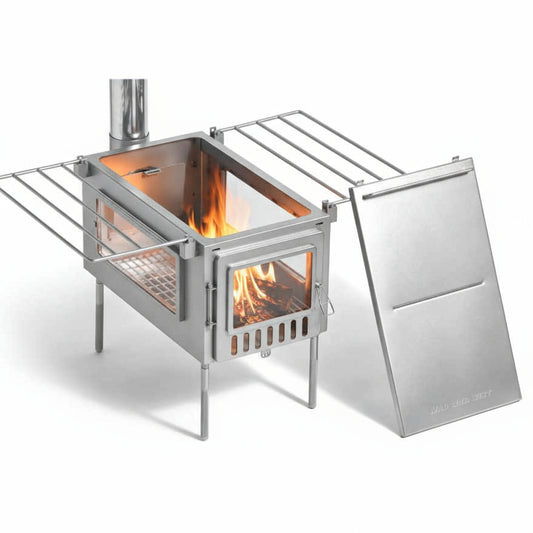
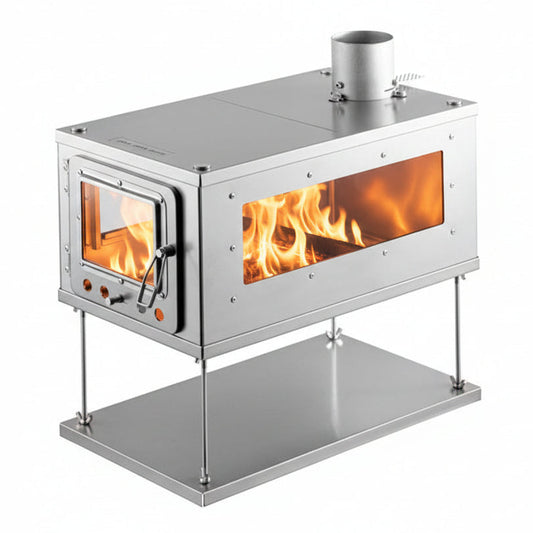
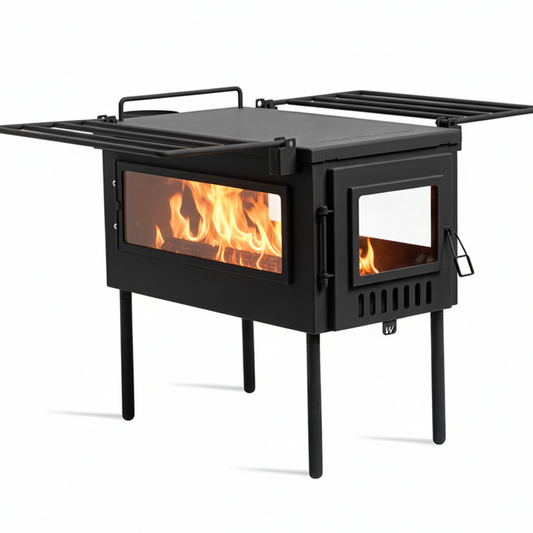
No. Standard wood stoves designed for cabins or homes are too large and heavy for tent camping. Hot tent stoves are purpose-built to be lightweight, compact, and safe for use in fabric shelters. They're engineered with proper draft characteristics and heat distribution for enclosed canvas spaces. Using the wrong stove can damage your tent, create safety hazards, and void warranties.
What kind of wood should I burn?
Seasoned hardwoods like oak, maple, and birch are ideal. They burn longer and hotter than softwoods and produce less creosote buildup in your chimney. Avoid wet, green, or treated wood, which creates excessive smoke and increases fire risk. Bring enough dry wood for your trip—sourcing it on-site isn't always reliable, especially in remote areas or winter conditions.
How much does a hot tent setup cost?
A complete setup—tent, stove, chimney, and accessories—typically ranges from moderate to premium pricing depending on quality and size. Budget for the tent itself, a quality stove, stovepipe sections, a stove jack, and any additional accessories. While the initial investment is significant, durability and performance justify the cost for serious outdoor enthusiasts.
Can I use a hot tent in summer?
Absolutely. Many hot tent owners use them year-round. In warmer months, simply don't use the stove. The tent provides excellent shelter from rain and wind, and the durable canvas construction withstands varied conditions. Some campers appreciate the versatility of having one shelter that works across all seasons.
How do I maintain my hot tent and stove?
Regular maintenance extends the life of your equipment. After each trip, allow the stove to cool completely, then inspect it for damage or rust. Clean the interior and chimney to remove ash and creosote. Store both tent and stove in a dry location. Check the tent fabric for tears or wear, and inspect the stove jack for damage. Proper storage and routine care prevent costly repairs and ensure safety.
What accessories do I really need?
Essential accessories include a quality stovepipe with proper sections, a damper to control airflow, and a spark arrestor for safety. A stove thermometer helps you monitor temperature, and a sturdy poker or tongs makes fire management easier.
Hot tents and wood stoves open up new possibilities for comfortable, extended camping in challenging conditions. By understanding how they work and investing in quality equipment, you'll be well-prepared for adventures year-round.