Building the Ultimate Cold-Weather Overland Camp with Wood Stove
Planning Your Cold-Weather Overland Setup
Cold-weather overlanding demands more than just a tent and a sleeping bag. When temperatures drop, your camp becomes your refuge, and every component matters. The foundation of a reliable cold-weather setup is understanding how heat, insulation, and ventilation work together to keep you safe and comfortable in harsh conditions.
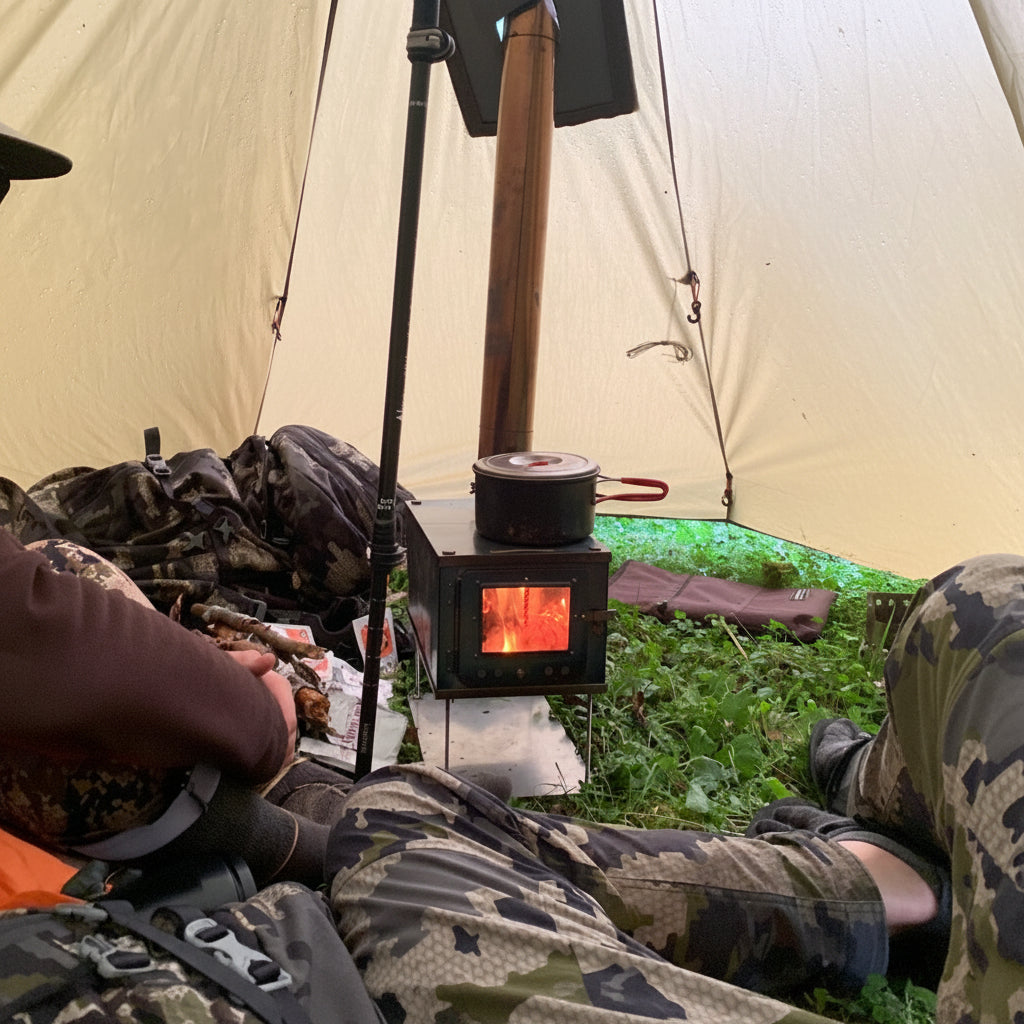
Before you invest in gear, assess your typical camping environment. Are you dealing with wet mountain cold, dry desert nights, or extended winter expeditions? Each scenario requires different priorities. A tent wood stove excels in wet climates where moisture management is critical, while proper tent insulation becomes your first line of defense against heat loss.

Choosing the Right Shelter for Wood Stove Camping
Not all shelters are created equal when it comes to wood stove compatibility. You need a tent designed with a stove jack—a reinforced opening with a heat-resistant collar that safely accommodates a stovepipe.
Look for shelters with adequate interior height and floor space. A cramped tent with a stove becomes a safety hazard and limits your ability to manage the fire safely. The tent should also have good ventilation options—adjustable vents that let you control airflow without losing all your heat.
Wood Stove Essentials and Safety
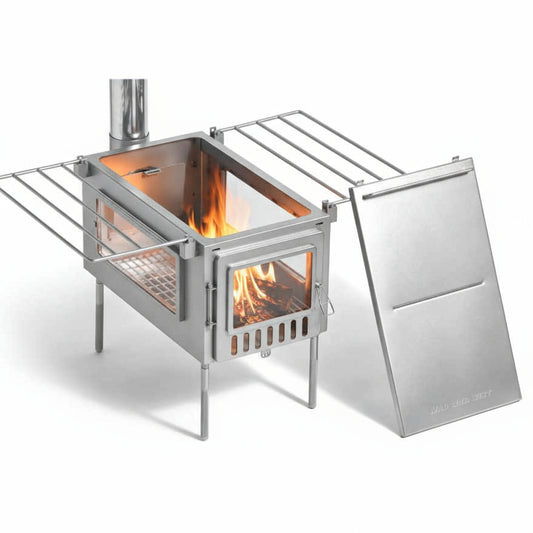
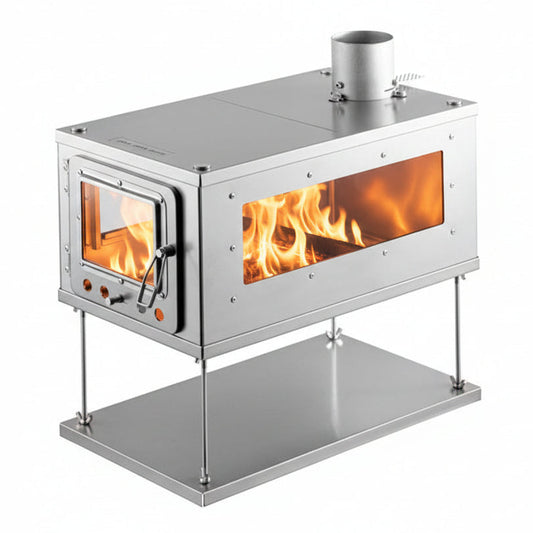
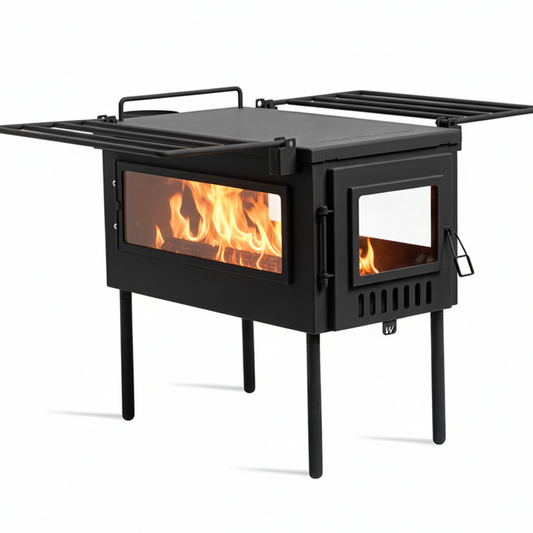
A quality wood stove transforms your tent from a cold shelter into a warm basecamp. Compact stoves designed for camping offer efficient heat output without excessive weight. Look for models with adjustable air vents that let you control burn rate and heat intensity—this is crucial for managing interior temperature and fuel consumption.
Stovepipe diameter, length, and routing matter significantly. A longer pipe radiates more heat into your tent before exiting, improving efficiency. Ensure your pipe has proper clearance from tent fabric—typically six inches minimum—and use heat-resistant guards to protect the tent material from radiant heat damage, if your firebox is too close to fabric.
Never compromise on ventilation. Even with a stove, your tent needs fresh air intake to prevent carbon monoxide buildup. A small vent opposite your stove creates natural airflow that keeps the interior safe while the stove heats your space.
Insulation and Thermal Management
Your tent's insulation works alongside the stove to maintain warmth. Thicker, higher-quality sleeping pads provide ground insulation that prevents heat loss through the floor—often the biggest source of heat escape. A pad with R-value of 5 or higher is essential for serious cold-weather camping.
Sleeping bags rated for temperatures well below your expected lows give you a safety margin. Layering your sleep system—a liner inside your bag, plus a quality pad underneath—creates multiple barriers against cold. This redundancy keeps you safe if one component fails.
Inside the tent, strategic placement of gear and your body position affects heat retention. Arrange your camp so the stove is positioned to radiate heat toward your sleeping area without creating a fire hazard. Keep fuel, tools, and other supplies organized so you can manage the stove safely in darkness or bad weather.
Fuel Selection and Storage
Hardwoods burn longer and hotter than softwoods, making them ideal for overnight burns. Seasoned wood—dried for at least six months—burns cleaner and produces less creosote buildup in your pipe. Wet or green wood creates excessive smoke, poor heat output, and dangerous chimney conditions.
Carry more fuel than you think you'll need. Cold camps often require longer burn times, and unexpected weather can extend your stay. Store fuel in a dry location inside or outside your tent to prevent moisture absorption. A simple tarp or weatherproof container keeps your wood supply ready.
Practical Cold-Camp Routines
Successful cold-weather overlanding relies on consistent routines. Start your fire before sunset so you can monitor it safely and adjust vents as needed. Thicker the coal bed, the better heat output.
Before bed, establish a sustainable burn rate that maintains warmth through the night without requiring constant attention. A well-tuned stove with the right fuel can provide steady heat for eight hours or more. Keep a small amount of kindling and fuel inside the tent in a safe container so you can add wood without fully opening the tent door.
Morning routines matter too. Let the stove cool before breaking camp, and always fully extinguish coals before packing. Add water to an ash and coals on the ground, because chances are they are still hot.
Building Your System Incrementally
Start with a quality tent and stove, then add components as you gain experience. Your first cold camp teaches you what works for your style and environment. Each trip reveals adjustments—maybe you need a larger stove, better insulation, or different fuel storage. This iterative approach builds a system tailored to your needs rather than guessing at a complete setup.
Cold-weather overlanding rewards preparation and attention to detail. A well-built camp with proper heat, insulation, and ventilation transforms winter into an opportunity for solitude and adventure. The combination of a reliable tent and wood stove creates a basecamp that keeps you safe, warm, and ready to explore even in the harshest conditions.