Why Tent Stove Glass Stays Cleaner on Some Fires
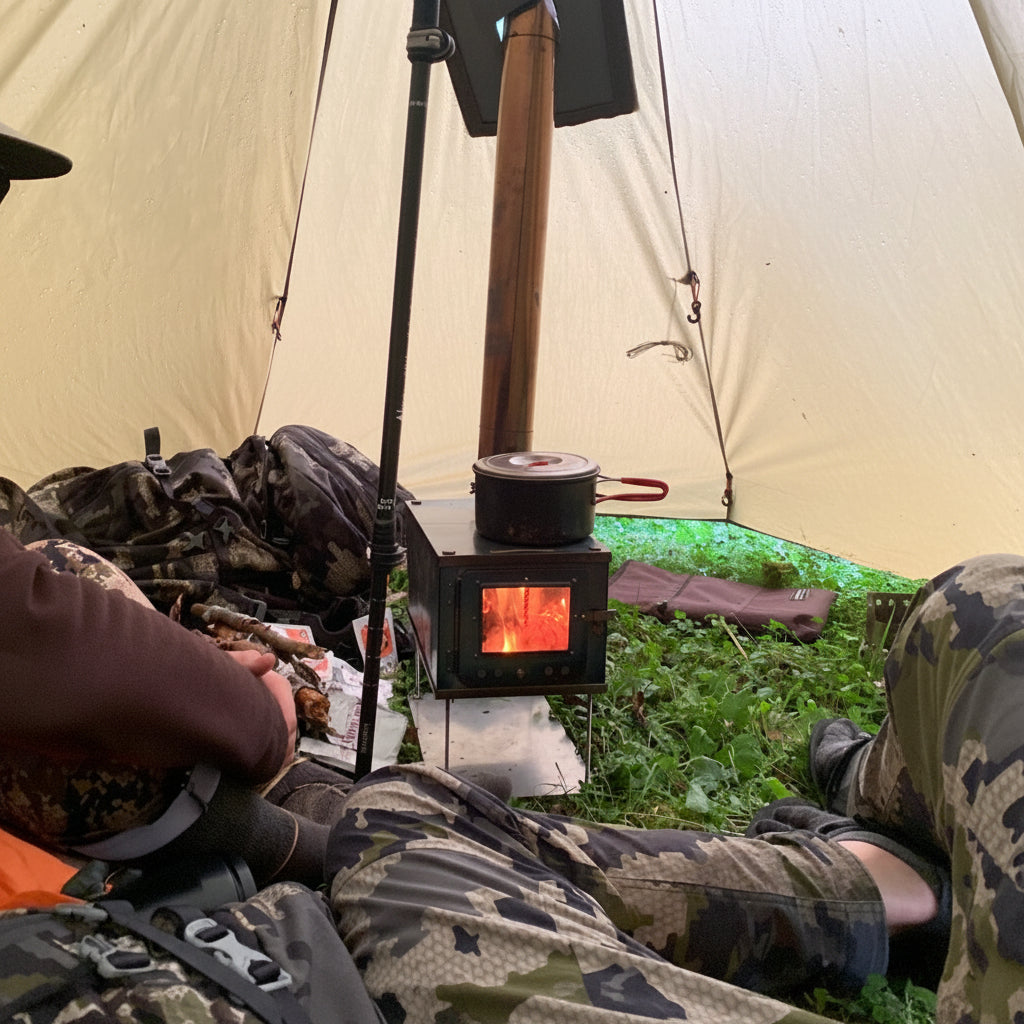
If you've spent time around a wood stove in a tent, you've probably noticed something curious: sometimes the glass stays crystal clear through an entire evening, and other times it gets covered in black soot within minutes. This isn't random. Several factors determine whether your stove glass stays clean or gets coated, and understanding them can help you maintain better visibility and get more enjoyment from your fire.

Wood Moisture Makes the Biggest Difference
The single most important factor is the moisture content of your wood. Dry wood burns hot and clean, producing minimal smoke and creosote buildup on the glass. Wet or green wood, on the other hand, smolders and produces excess smoke laden with unburned particles that stick to the glass almost immediately.
Properly seasoned firewood should have a moisture content below 20 percent. If you're cutting wood yourself, find wood that is not completely on the ground. Store it in a covered area where air can circulate around the stack. When you're out camping, some choose to purchase seasoned wood locally, rather than relying on whatever you can gather in the backcountry—it makes a dramatic difference in glass clarity and overall fire performance.
Air Flow and Combustion Efficiency
How much air reaches your fire directly affects how completely the wood burns. Stoves with adjustable air vents allow you to control the burn rate and temperature. When you restrict air too much to make a fire last longer, you're actually creating incomplete combustion, which produces more smoke and soot on the glass.
The key is finding the right balance. Open the vents enough to maintain a steady, hot burn without letting the fire rage out of control. A hotter fire burns more completely, leaving less residue on the glass. You'll also notice better heat output and faster cooking times when combustion is efficient.
Stove Design and Glass Positioning
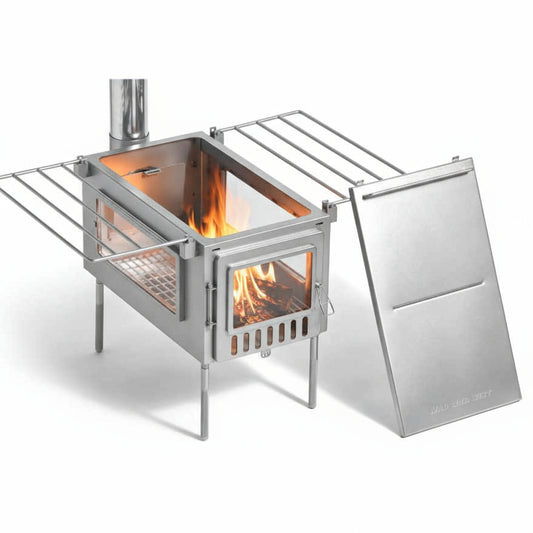
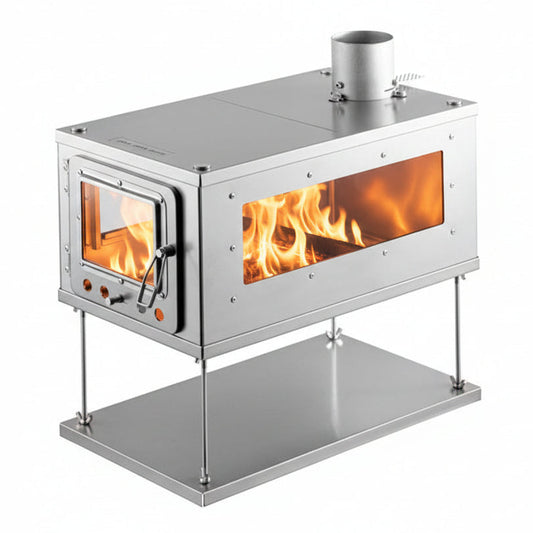
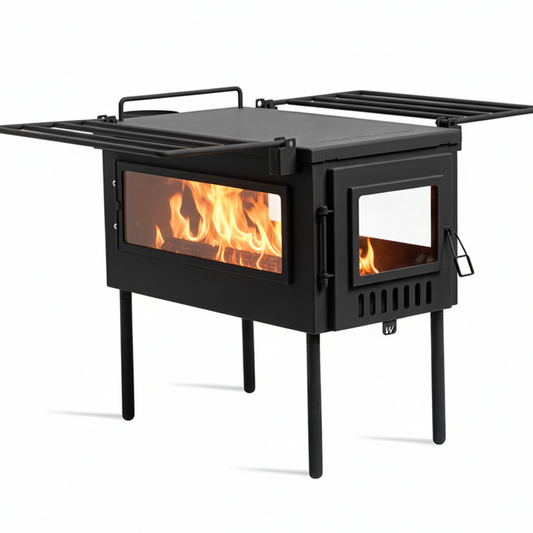
Not all stove designs are equal when it comes to keeping glass clean. Stoves with better air circulation patterns around the firebox tend to keep the glass clearer because hot air naturally sweeps across the glass surface, preventing smoke from settling on it. Some premium stove designs include baffles specifically engineered to direct airflow across the glass.
The angle and position of the glass also matters. Glass that's more vertical tends to stay cleaner than glass that's angled, since smoke and particles are less likely to settle on a vertical surface.
Fire Management Techniques
How you build and maintain your fire influences glass cleanliness. Start with a hot bed of coals before adding larger pieces of wood. Avoid smothering the fire with too much wood at once, which cools the combustion zone and increases smoke production. Instead, add wood gradually as pieces burn down.
Keep the firebox clean by removing ash buildup regularly. Excess ash restricts airflow and promotes incomplete combustion. A quick cleanup between fires takes just a minute and pays dividends in cleaner glass and better performance. Always clean the spark arrestor too before each fire.
Temperature Matters Too
A stove running at the right temperature maintains a self-cleaning effect on the glass. When the glass gets hot enough, some of the soot actually burns off. If your fire is too cool or smoldering, the glass stays cold and soot sticks permanently. This is another reason why dry wood and good airflow are so important—they keep the stove running at optimal temperature.
Next time you're setting up your tent stove, remember that clear glass isn't just about aesthetics. It's a sign that your fire is burning efficiently, producing maximum heat, and using your fuel effectively. Start with dry wood, manage your air vents, and maintain your fire properly—and you'll enjoy both a cleaner view of the flames and a better camping experience overall.