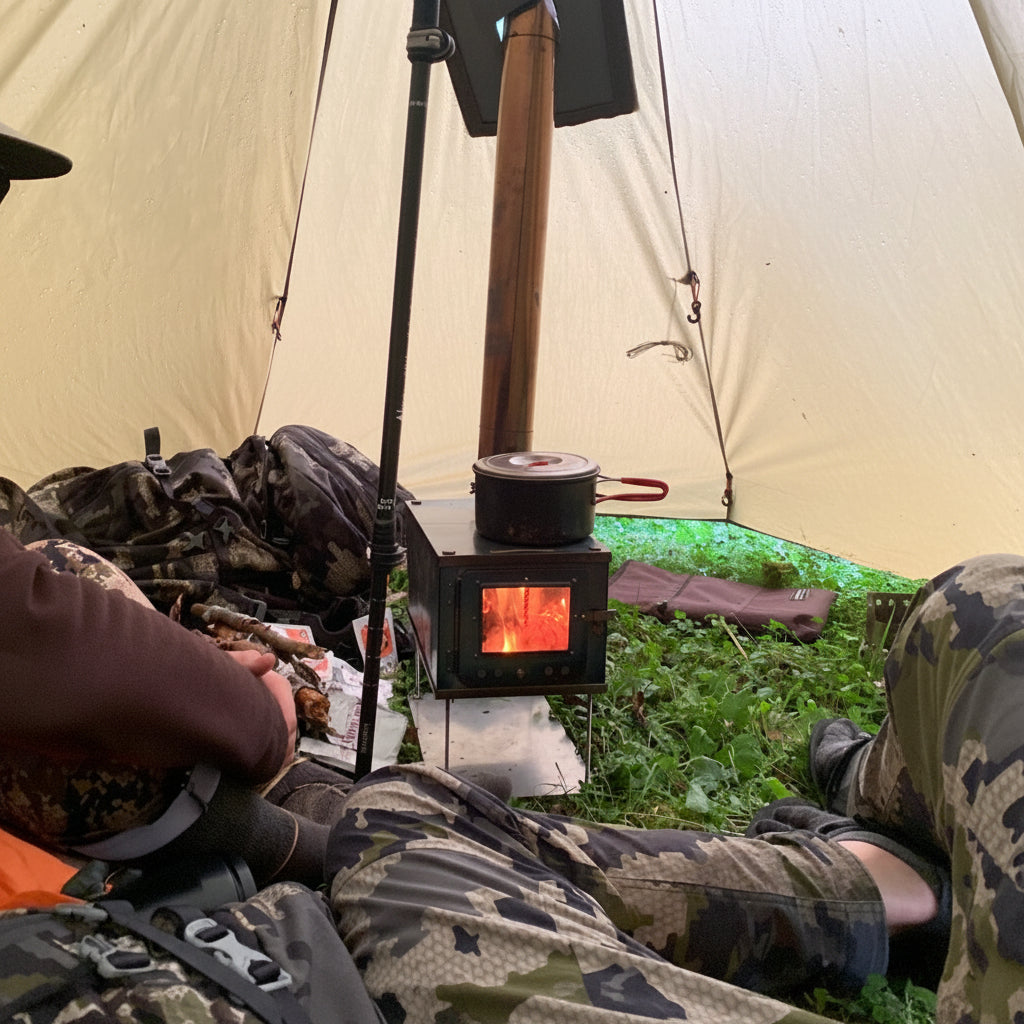
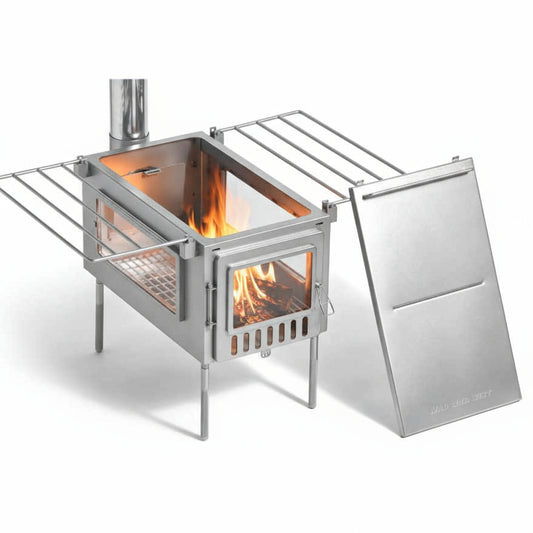
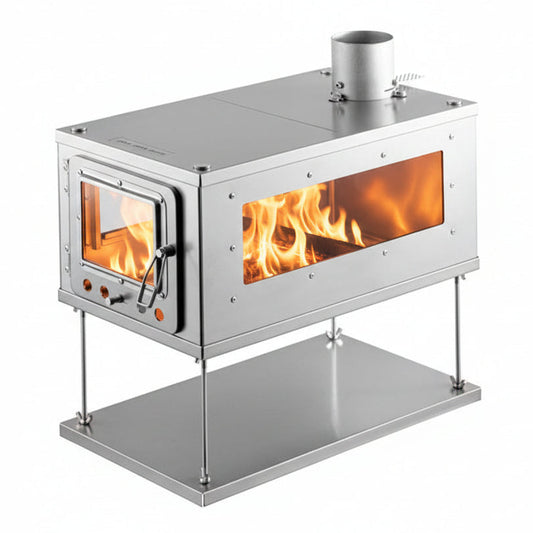
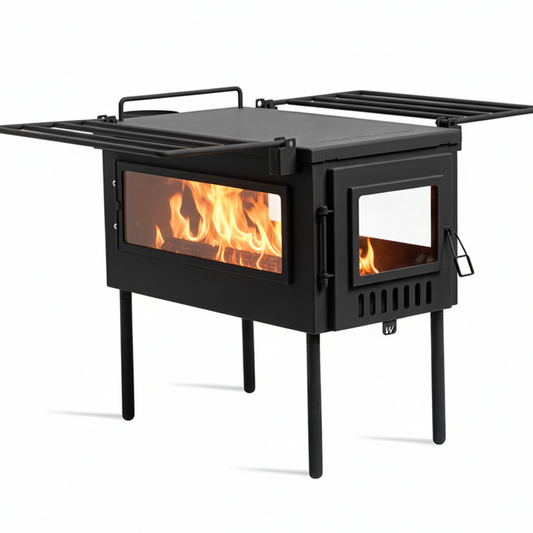
Processing Firewood with Minimal Tools for Tent Stove
Getting Started: Essential Tools for Processing Firewood
Processing firewood for your tent wood stove doesn't require a workshop full of equipment. With just a few essential tools and the right technique, you can prepare quality firewood that burns efficiently and safely in your stove. Whether you're preparing for a camping trip or building a winter supply, starting with the basics will set you up for success.

The Core Tools You'll Need
A sharp axe or hatchet is your primary tool for splitting wood. A full-size axe works best for larger logs, while a hatchet is ideal for smaller pieces and portability. Keep your blade sharp—a dull edge requires more force and increases the risk of glancing blows. A crosscut saw or bow saw handles the initial log cutting before splitting. For safety and efficiency, a chopping block or log stand keeps your work at a comfortable height and prevents the wood from rolling.
Beyond these essentials, a pair of heavy-duty work gloves protects your hands from splinters and blisters, while safety glasses shield your eyes from flying wood chips. A measuring tool helps you cut wood to the right length for your specific stove.
Batoning Firewood with a Knife
When you're in the field without an axe or hatchet, batoning is an effective technique for splitting firewood using a knife and a wooden baton or stick. This method works particularly well for smaller diameter wood and is a valuable skill for backcountry camping situations.
Start with a sturdy fixed-blade knife—a blade between 4 and 6 inches works best. Position the knife vertically on the end grain of your log, with the spine facing you. Take a wooden baton (a thick stick or piece of firewood) and strike the spine of the knife firmly and repeatedly, driving the blade through the wood. The key is using controlled, deliberate strikes rather than wild swings. Work the knife down the length of the log, splitting it into manageable pieces.
This technique requires patience and a sharp blade, but it's invaluable when you're working with limited gear. Always keep your free hand clear of the blade path, and wear gloves for better grip and protection. Batoning is best suited for softwoods and smaller logs—attempting it on large hardwood can damage your knife or cause it to bind in the wood.
Preparing Your Firewood
Start by cutting logs to a length that fits your tent stove—typically between 7 and 18 inches depending on your model. Shorter pieces dry faster and fit more easily into the firebox. Once cut, split the wood along the grain using controlled swings. Aim for the center of the log and let the weight of the axe do the work rather than forcing it.
Stack your split wood in a location with good airflow and protection from rain. Proper seasoning takes time—typically six months to a year off the ground —but well-seasoned wood burns hotter, produces less creosote, and creates less smoke in your tent stove.
Safety First
Always wear appropriate protective gear when processing firewood. Keep your work area clear of obstacles and distractions. Never rush the process, and take breaks when you feel fatigued—tired hands make mistakes. Store your tools safely and maintain them regularly to keep them in peak condition.
With these minimal tools and a steady approach, you'll have quality firewood ready for your tent stove adventures.