Cold Rain is More Dangerous Than Winter Camping in the Snow
Why Cold Rain Can Be More Dangerous to Camp In Than Snow
Snow often gets the spotlight as a serious camping hazard, but winter camping in cold rain can be just as challenging—and in some situations, more dangerous. The risk comes from how steadily rain can strip away warmth, soak clothing and gear, and make safe movement difficult.

Rain Can Steal Body Heat Quickly
Staying warm depends on keeping your body dry and protected from wind. Rain can soak through clothing and wet insulation, reducing its ability to hold warmth. Add wind, and heat loss can accelerate. Hypothermia is possible even when temperatures are above freezing, especially if someone remains wet, tired, or exposed for a long time.
Snow can also be dangerous, but it is often easier to brush off before it melts into clothing. Rain keeps falling, making it harder to stay dry without reliable shelter and waterproof layers.
Wet Ground Creates More Problems
Rain can turn a comfortable campsite into a poor place to shelter. If you choose a bad campsite, water may collect under a tent, run through a low spot, or soften the ground beneath stakes. Mud can make walking and carrying gear harder, while swollen creeks and streams can become hazardous. A route that was safe when you arrived may be difficult to cross after heavy rainfall.
Snow presents its own terrain risks, including slippery surfaces and hidden obstacles. But rain can change conditions rapidly by creating runoff and flooding, sometimes before campers have time to adjust.
Wet Gear Can Leave You Without a Backup
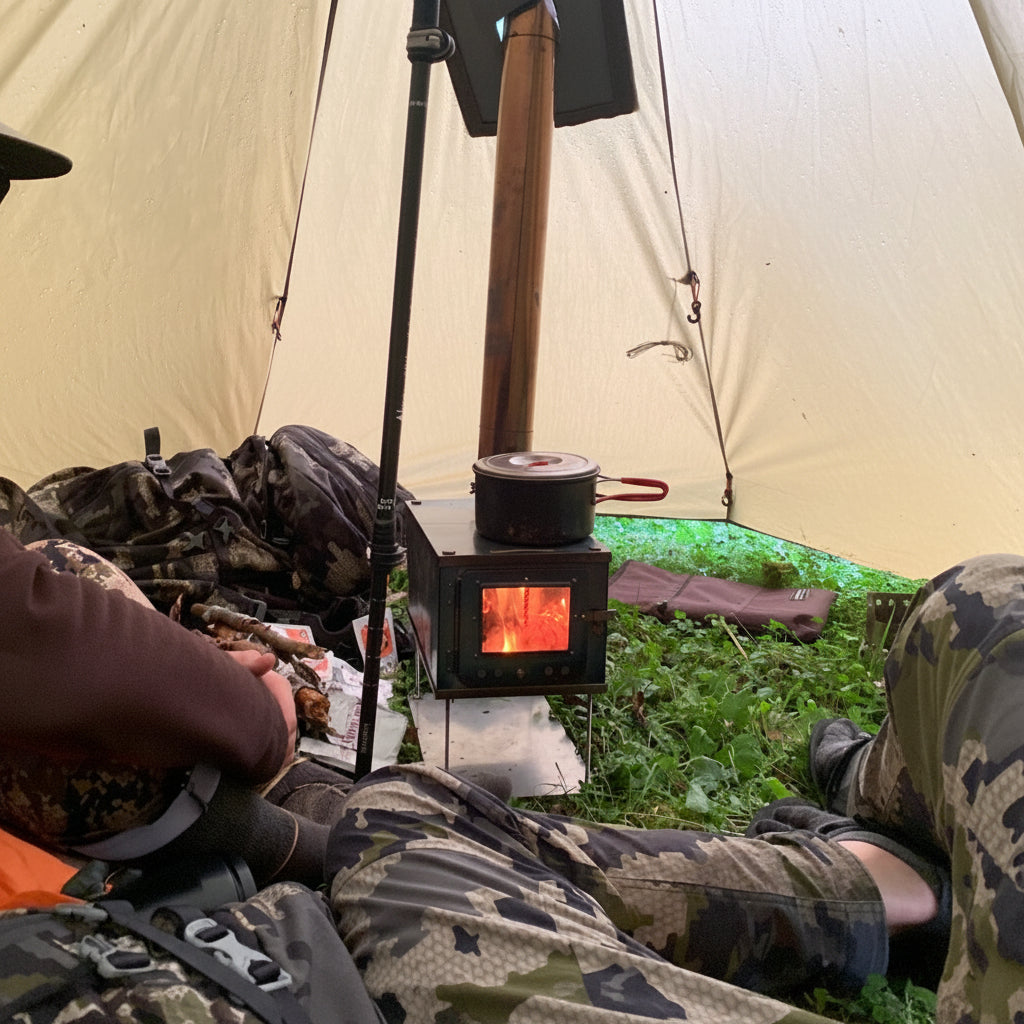
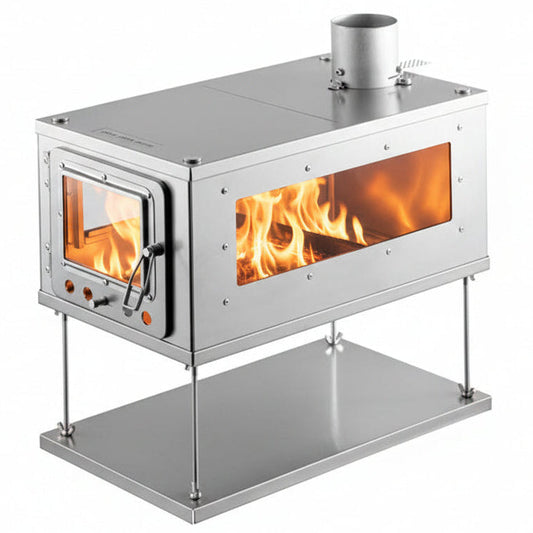
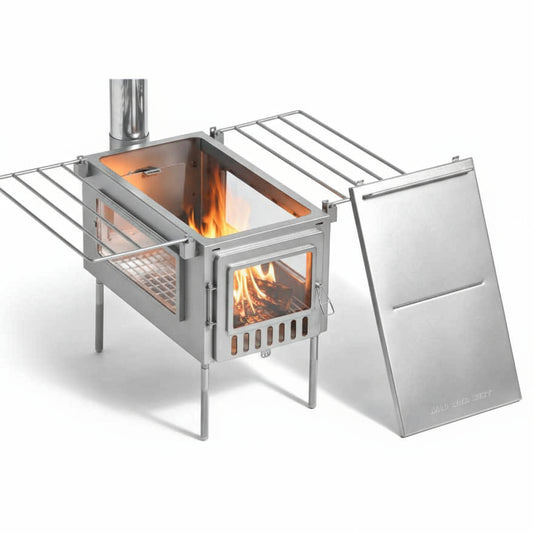
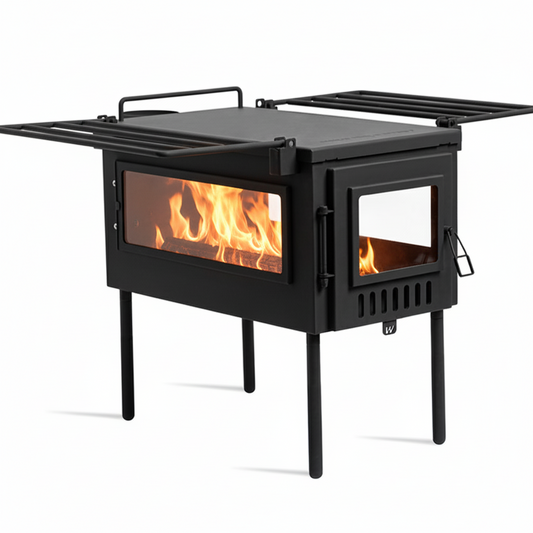
A damp sleeping bag, clothing layer, or fire-starting kit can make a cold night much harder. Once essential gear gets wet, drying it outdoors without a tent wood stove may be difficult. Snow can also wet equipment as it melts, so the same principle applies: keep sleep systems, spare layers, and critical supplies protected in waterproof bags.
How to Reduce the Risks
- Check the forecast and local conditions. Pay attention to rain totals, wind, temperature, and flood or weather advisories.
- Choose a well-drained campsite. Avoid creek edges, depressions, drainage channels, and slopes where water may run.
- Use a suitable shelter and rain protection. Pitch carefully, maintain ventilation, and keep wet outer layers separate from dry sleep gear.
- Pack dry insulation and spare clothing. Store essential layers and sleeping gear in waterproof protection.
- Stay alert for changing conditions. Move to safer ground or end the trip if water rises, shelter becomes compromised, or anyone shows signs of cold stress.
Cold rain is not automatically more dangerous than snow; conditions, preparation, and terrain matter. But persistent rain can quietly soak a camper and campsite while making escape routes less reliable. Treat wet-weather forecasts seriously, protect your dry layers, and be ready to change plans before conditions become difficult to manage.