The Biggest Misconception About Winter Camping on Social Media
The Social Media Version of Winter Camping
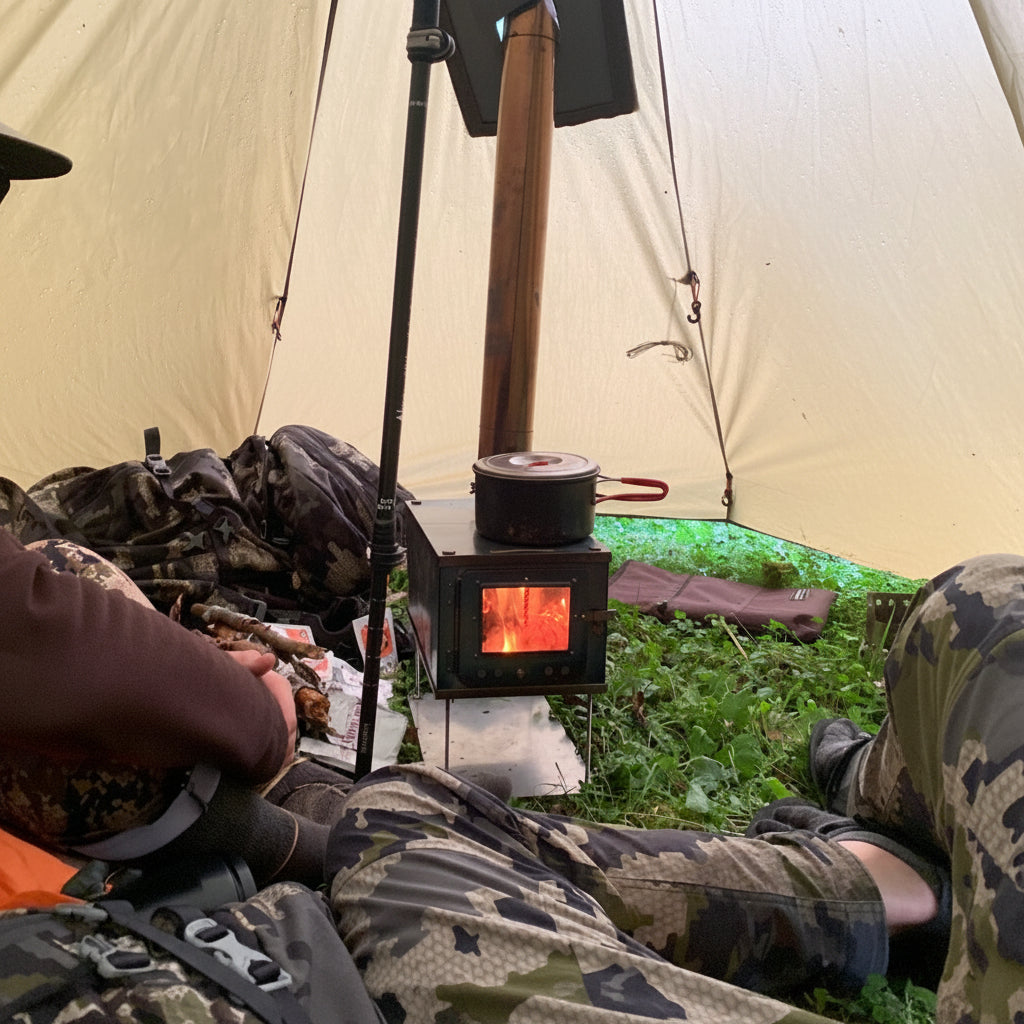
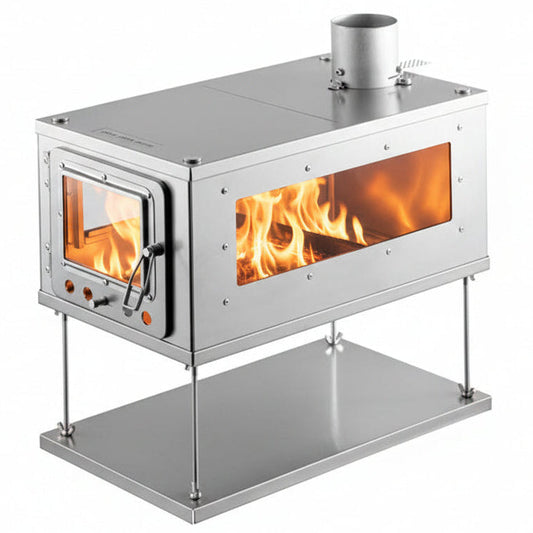
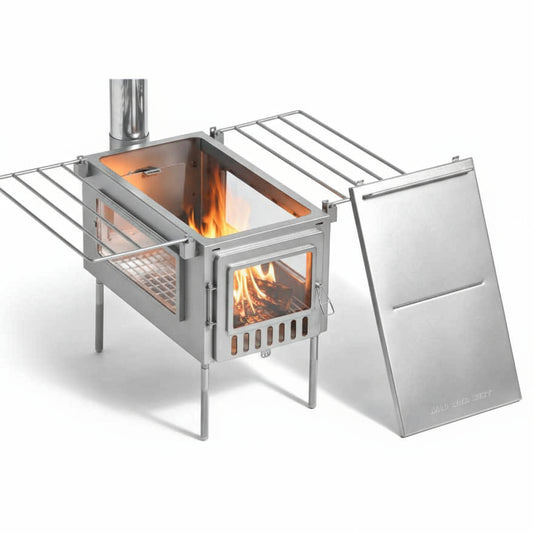
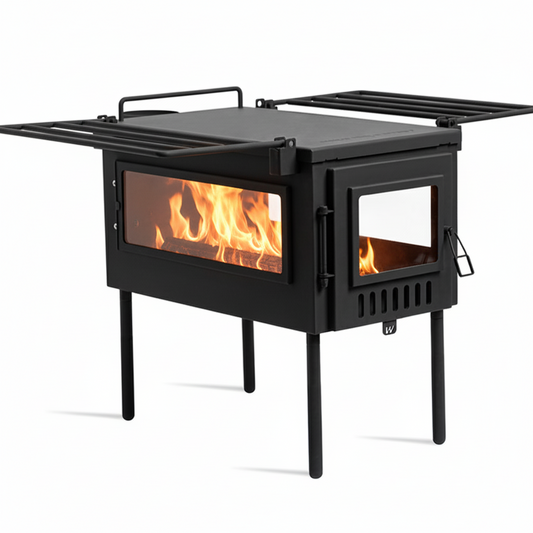
Winter camping videos often make a warm tent look effortless: a glowing tent wood stove, a peaceful snowfall, and a camper sleeping through the night. What those short clips may leave out is the work behind the comfort—and one common misconception: that you need to wake up repeatedly to feed the stove to stay warm.
A wood stove can add welcome heat while it’s burning, but it isn’t a substitute for a sleep system suited to the conditions. Planning to keep a fire going all night can mean interrupted sleep and a chilly surprise when the fire eventually dies down.

What a Tent Stove Is Really For: Dry Gear, Warmth, and Real Food
A tent stove serves three practical purposes: drying wet gear, warming your shelter while you’re awake, and cooking real food. After a cold day outside, it gives you a place to warm up, tend to wet layers, and prepare a hot meal instead of settling for another cold snack.
Use the heat to help dry gear, but keep clothing, boots, and other equipment well clear of the stove and stovepipe, following the manufacturer’s clearance requirements.
Think of the stove as the heart of camp while you’re awake, not the foundation of your overnight warmth. Enjoy it for the work it does, then let a properly chosen sleep system take over when it’s time to rest.
Build Your Sleep System for the Conditions
Your sleeping bag, sleeping pad or two, clothing, and shelter all play a part in overnight comfort. Choose and use them with the expected temperatures and conditions in mind, and follow the manufacturer’s guidance for their temperature ratings. A stove can provide supplemental warmth, but your sleep system should be what you rely on when the fire goes out.
Before turning in, prepare for the colder hours: keep essential layers within reach, protect your sleeping gear from moisture, and make sure your sleeping area is set up safely. Follow the stove and tent manufacturers’ instructions, maintain appropriate ventilation, and never treat an unattended fire as guaranteed heat.
Experienced Campers Plan for the Fire to Go Out
Seasoned winter campers don’t assume a stove will burn until morning. They plan for the fire to fade, the tent to cool, and the night to bring changing conditions. That preparation makes it easier to rest without setting an alarm to tend the stove.
The goal isn’t to avoid using a wood stove. It’s to understand its role: enjoy the warmth while you’re awake, then trust a well-chosen sleep system to carry you through the night. Winter camping becomes far more manageable when your comfort doesn’t depend on waking up to keep the fire alive.