Why Titanium is Ideal for Backpacking Tent Stoves
Why Weight Matters on a Backpacking Trip
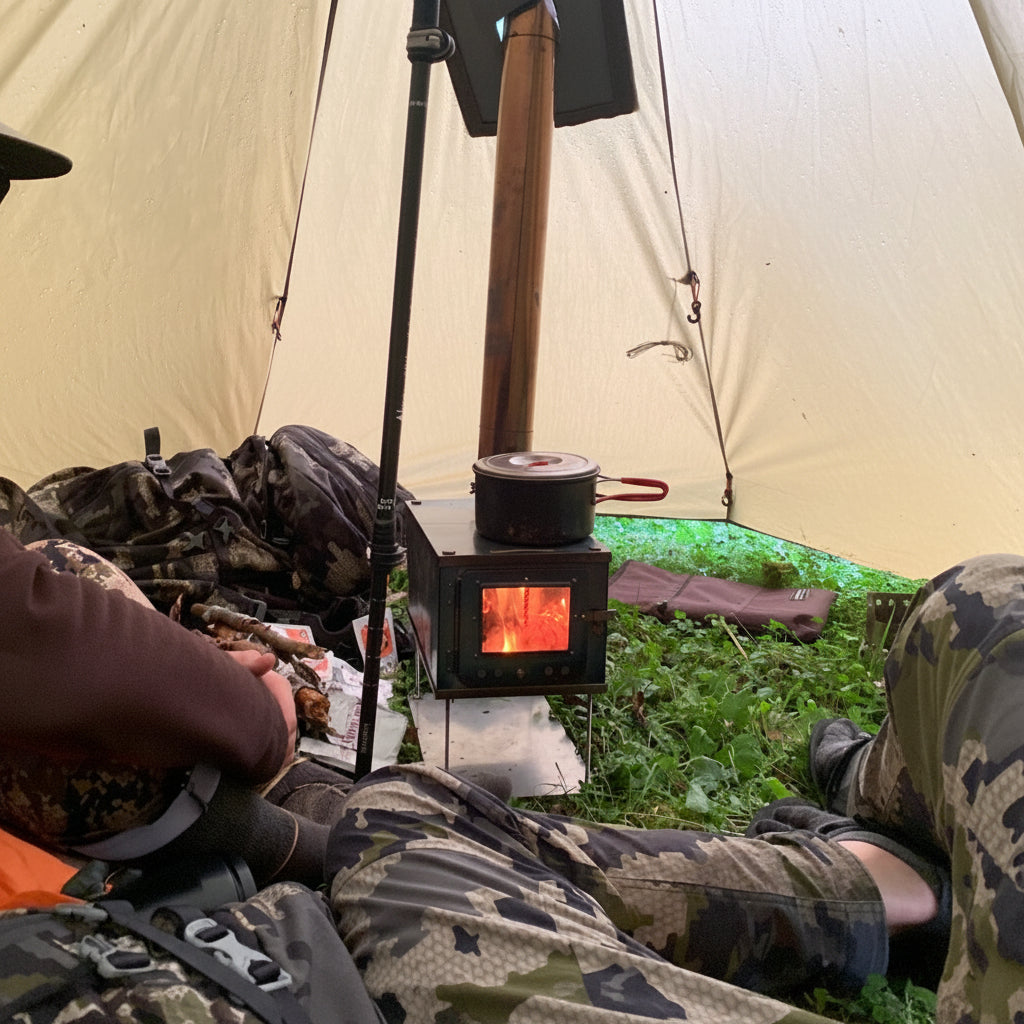
When you carry your shelter, sleep system, food, and cooking gear on your back, every item has to earn its place. A tent stove can add warmth and make camp more comfortable, but its weight and packed size matter more on a backpacking trip than they might at a drive-up campsite.
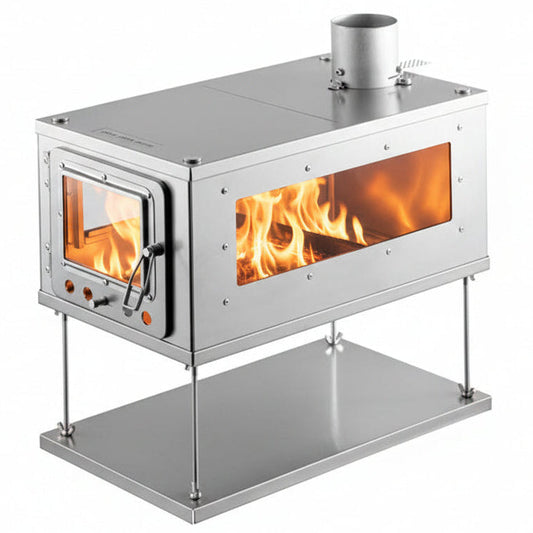
Titanium is a popular tent stove material for weight-conscious campers because it can provide a lighter alternative to many steel stove designs. That can make a stove-and-tent setup more practical to carry between camps, especially when you want the option of a wood-burning stove without taking on as much equipment weight.

What Makes Titanium a Good Fit
- Lower carry weight: Titanium’s strength-to-weight characteristics allow manufacturers to design lightweight stove components. The complete stove’s weight still depends on its size, construction, included parts, and accessories, so compare full kit specifications rather than material alone.
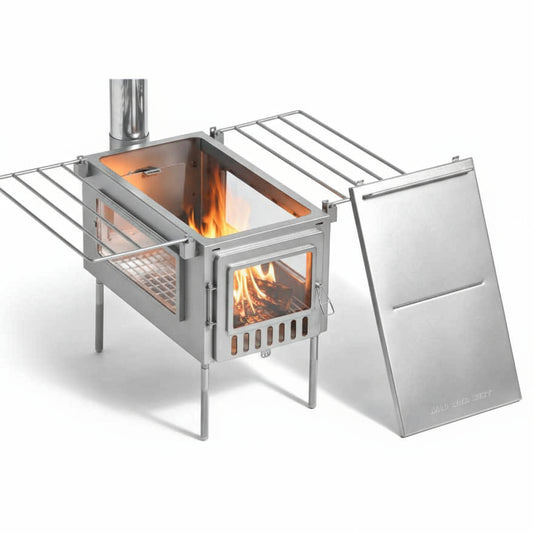
- Packable construction: Many backpacking-oriented titanium stoves are designed to break down for transport. A compact packed configuration can make it easier to fit the stove with the rest of your camping gear.
- Useful for mobile camps: A lighter stove may be appealing when you expect to move camp, travel farther on foot, or keep your overall pack load in check.
Understand the Trade-Offs
Choosing titanium does not mean every stove will suit every trip. Lightweight construction can involve thinner material, which may flex or change shape with repeated heating and cooling. Follow the manufacturer’s setup and care instructions, and inspect the stove and its components before use.
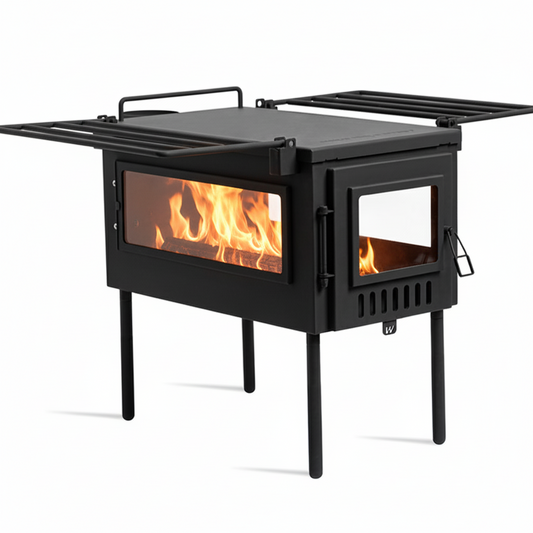
It is also worth considering how often you will carry the stove. For a trip where equipment stays near a vehicle or at a fixed camp, a heavier stainless steel stove may be a sensible choice. For trips where you carry your shelter and stove on your back, titanium may better match the priority of reducing carried weight.
Compare the Complete Setup
Before choosing a backpacking tent stove, look beyond the stove body. Check what is included in the kit and whether you need to carry additional parts, such as roll-up stove pipe and a spark arrestor. The stove must also be compatible with your tent and its stove jack. Confirm dimensions and setup requirements with the stove and tent manufacturers.
Think through your typical route and camp routine, too. A stove that is manageable to pack but more cumbersome to assemble may not be the best match for frequent moves. Consider packed size, component organization, fuel availability, and how you will transport the stove safely when it is not in use.
Use a Tent Stove with Care
A wood stove inside a tent requires careful setup and attention. Use only a tent with stove jack, install the stove and stovepipe according to the manufacturers’ instructions, and maintain the required clearances from fabric and other combustible materials. Keep the stove attended while it is operating, and allow it to cool fully before packing.
Combustion can produce carbon monoxide, which is dangerous and cannot be detected by smell. Maintain the ventilation required by your tent and stove instructions, and never treat a tent stove as a substitute for safe ventilation practices. Check local fire rules and conditions before using a wood-burning stove.
Is Titanium Right for Your Trip?
Titanium is a strong option to consider when carrying less weight is a priority and you want a stove designed for a packable backcountry camp setup. Stainless steel may make more sense when portability is less important or your base camping style favors a more substantial stove. The right choice depends on your route, tent, complete kit, and comfort with stove setup and care.
Compare the full specifications and included components, then choose the stove that fits the way you actually camp—not simply the material name. A well-matched setup can help you bring the warmth of a tent stove along while keeping your backpacking priorities in view.