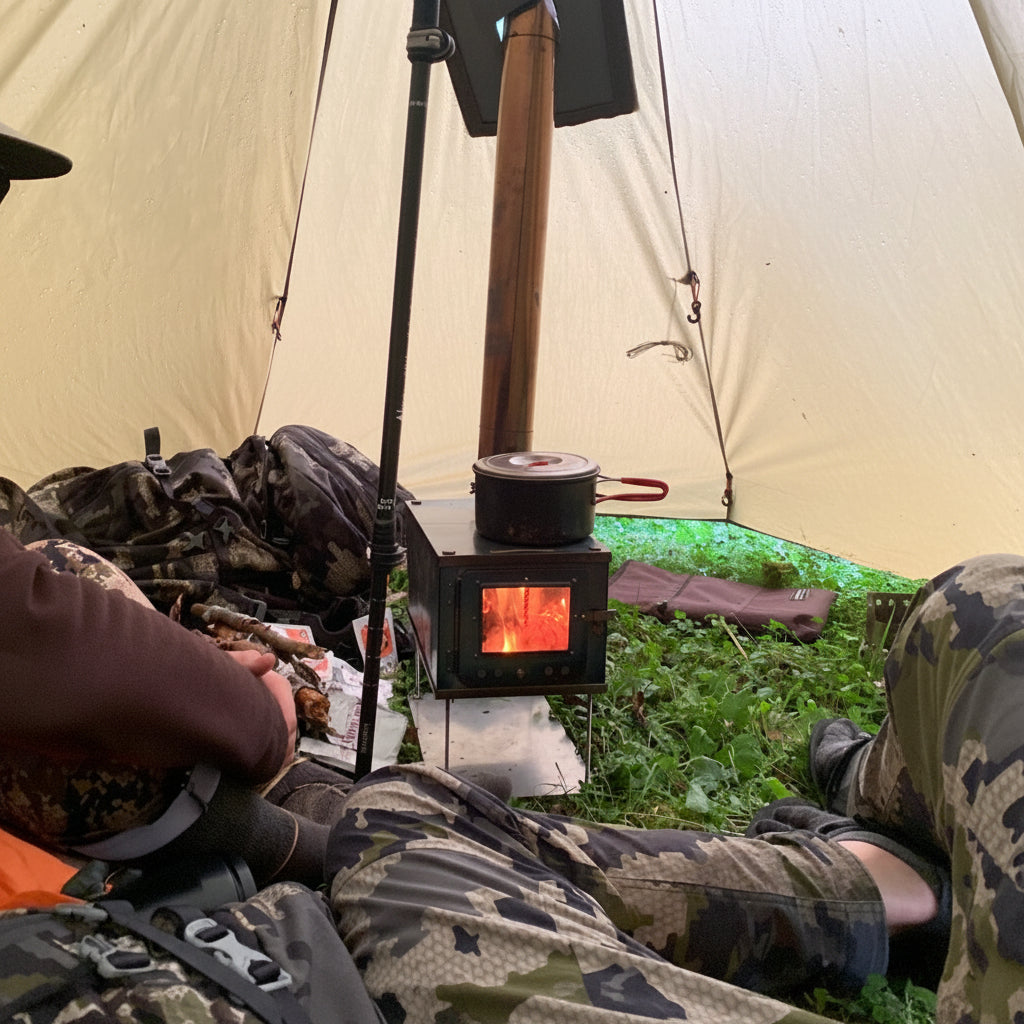
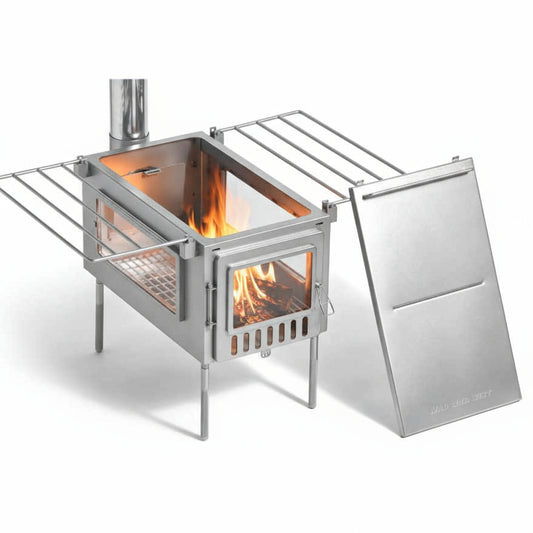
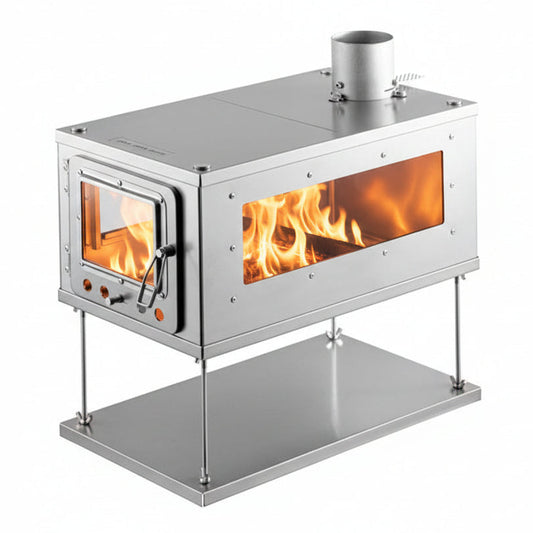
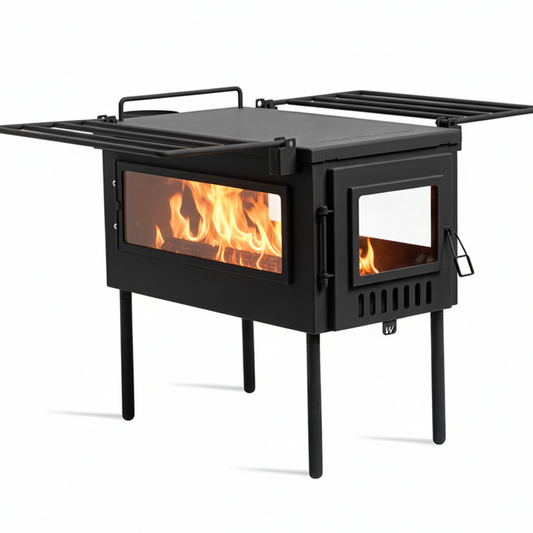
How to Light a Wood Stove in Heavy Rain while Tent Camping
Lighting a tent wood stove in heavy rain presents a unique challenge, but with the right preparation and technique, you can get a reliable fire going even in wet conditions. The key is managing moisture, using quality fuel, and understanding how rain affects your stove's draft and ignition process.

Prepare Your Wood Before the Rain Hits
The most critical factor is having dry wood on hand before weather deteriorates. Store seasoned firewood under a waterproof tarp or in a dry space in your tent. Aim for wood with moisture content below 20%—this burns cleaner and ignites more easily than wet wood. Split your wood into smaller pieces than you'd normally use; thinner wood catches fire faster and requires less heat to ignite.
Bring extra kindling and tinder into your tent before heavy rain arrives. Dry bark, small twigs, and prepared fire starters should be stored in a waterproof bag or container. If you're caught without adequate dry materials, look for dead branches under dense tree cover or strip bark from standing dead trees—these often retain dryness even in rain.
Protect Your Stove's Draft
Rain can cool your chimney pipe and reduce draft, making ignition harder. Ensure your tent's ventilation openings aren't blocked—proper airflow into the stove is essential for combustion, especially in wet conditions.
Before lighting, check that your chimney pipe is clear of debris or condensation buildup. A blocked or partially clogged spark arrestor in the pipe will struggle to draw air, making it nearly impossible to start a fire.
Build Your Fire Strategically
Start with a small bundle of the driest tinder you have—this might be commercial fire starters, kindling, or finely shredded bark. Arrange kindling in a loose teepee or log cabin structure that allows air to flow through. Avoid packing wood too tightly; fire needs oxygen to spread.
Light your tinder and let it establish a small flame before adding larger pieces. Once you have a visible flame, gradually introduce slightly larger kindling. This staged approach gives each piece time to dry out from the heat before you demand it to burn. Patience here pays off—rushing to add full-sized logs before your fire is established will smother it.
Use Heat to Manage Moisture
Once your initial flame is going, position smaller pieces of wood close to (but not touching) the fire to pre-dry them. The radiant heat will drive off surface moisture, making them catch faster when you add them to the flames. This technique is especially valuable in heavy rain when all available wood has absorbed some moisture.
Keep the stove door cracked slightly during the early stages to allow maximum oxygen flow. Once you have a solid bed of coals and flames are established, you can close the door and adjust your damper for optimal draft.
Troubleshooting Common Issues
If your fire keeps going out, your wood is likely too wet or your draft is compromised. Check that tent vents are open and the chimney isn't blocked. If wood moisture is the issue, use only the smallest, driest pieces available and focus on building coals rather than flames—coals generate more sustained heat and are less affected by damp wood.
Smoke backing into your tent indicates a draft problem. This could mean rain is cooling your chimney too much, or your tent's ventilation is inadequate. Crack a window or door to improve airflow inside shelter.
Prevention and Planning
The best strategy is always prevention. When camping in rainy season, pack extra dry wood, quality fire starters, and waterproof storage. Scout your campsite for natural firewood shelter—dense tree cover or rock overhangs can naturally keep wood more dry.
Practice lighting your stove in dry conditions before relying on it in bad weather. Familiarity with your specific stove model, its draft characteristics, and your tent's ventilation will make you far more confident and successful when conditions are challenging.