Roaring Sound from a Tent Wood Stove Explained
A roaring sound coming from your tent wood stove is usually a sign that your fire is burning hot and efficiently. Understanding what causes this noise—and when it's normal—helps you get the most out of your stove while staying safe.

Why Your Wood Stove Roars
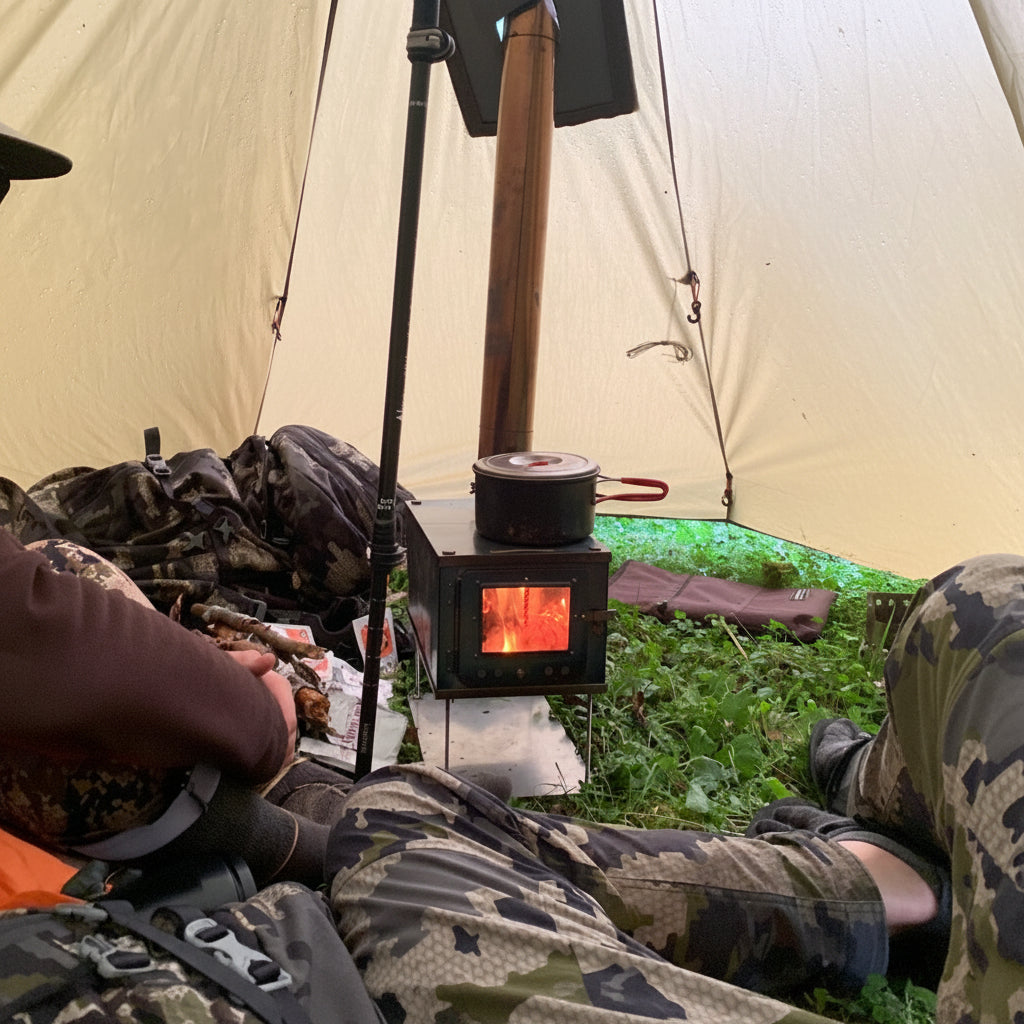
The roaring sound you hear is typically the result of air rushing through the firebox as it feeds the flames. When you open the air vents or damper on your stove, more oxygen reaches the fire, which accelerates combustion. This rapid burning creates a distinctive roaring or rushing sound that many experienced campers recognize as a sign of optimal performance.
The intensity of the roar depends on several factors: how much air you're allowing into the stove, the moisture content of your wood, and the size of your fire. Drier wood burns hotter and faster, producing a more pronounced roar than wet or green wood.
How Draw Works in a Wood Stove
Draw—also called draft—is the force that pulls air into your wood stove and pushes smoke and gases up through the chimney. Understanding how draw works is essential to controlling your stove's performance and that roaring sound you hear.
Draw is created by temperature difference. Hot air inside the firebox is less dense than the cooler air outside your tent, so it naturally rises and exits through the chimney. As this hot air leaves, it creates a slight vacuum that pulls fresh air in through your stove's vents and air intake. This continuous cycle of air being drawn in and exhaust being pushed out is what keeps your fire burning steadily.
The strength of your draw depends on several factors. A taller chimney creates stronger draw because there's more vertical distance for hot air to rise. The temperature difference between inside and outside your tent also matters—on colder nights, draw is typically stronger. Chimney diameter and any obstructions or bends in the pipe can restrict draw and reduce efficiency.
When you adjust your stove's air vents, you're controlling how much air participates in this draw cycle. Opening the vents fully allows maximum air to be drawn in, which intensifies combustion and creates that roaring sound. Closing the vents restricts airflow, which slows the draw and produces a quieter, more controlled burn. This is why adjusting your air intake directly affects both the sound and heat output of your stove.
Proper draw is also critical for safety. Good draw ensures that smoke and carbon monoxide are efficiently expelled from your tent rather than accumulating inside. If your stove has weak draw, smoke may back up into your tent, which is a sign you need to check your chimney and spark arrestor for blockages, or adjust your setup for better airflow.
Is Roaring Normal?
Yes—roaring is completely normal and generally indicates your stove is working as intended. A well-functioning wood stove should produce this sound when the fire is active and burning at a good temperature. It's actually a positive sign that your stove is drawing air efficiently and maintaining strong combustion.
Controlling the Roar
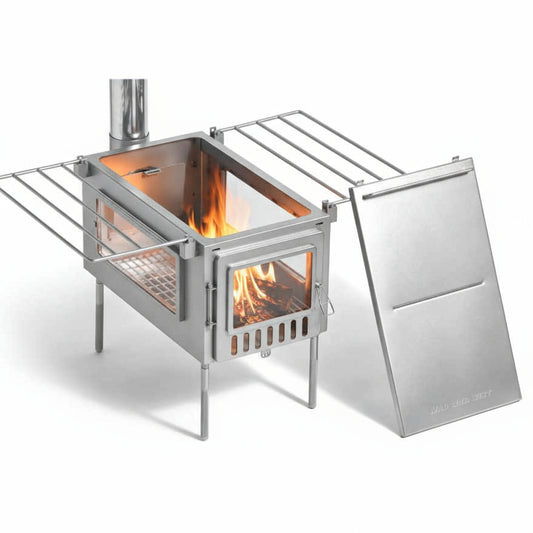
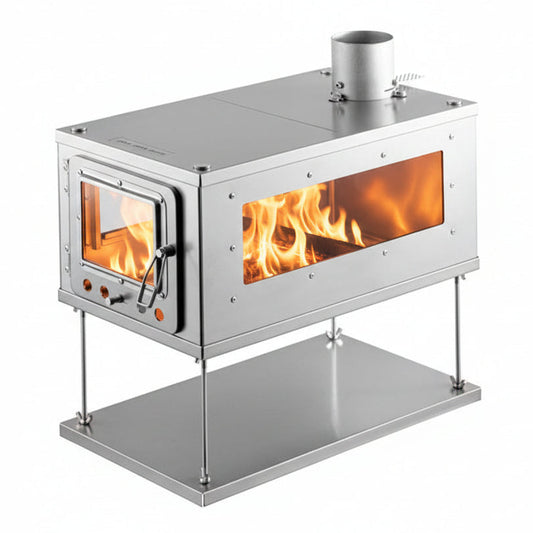
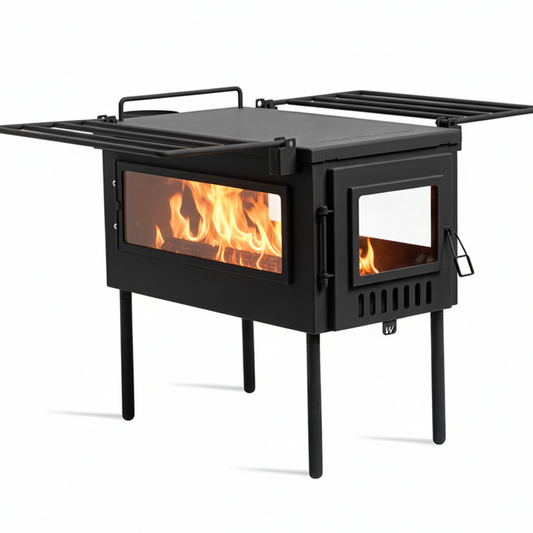
You have direct control over how loud your stove sounds by adjusting the air intake. Most tent wood stoves feature adjustable vents or a damper that regulates airflow. Opening these fully creates maximum roar and heat output—ideal for cold nights when you need warmth quickly. Closing them partially reduces the roar and extends your burn time, which is useful when you want a steady, quieter fire.
Experiment with different settings to find the balance that works for your camping conditions and comfort level. Many campers enjoy the roaring sound as part of the authentic wood stove experience, while others prefer a gentler, more controlled burn.
Safety Considerations
While roaring is normal, always monitor your stove to ensure it's not overheating. Check that your tent's ventilation is adequate—a wood stove requires proper airflow to prevent carbon monoxide buildup. Keep flammable materials at a safe distance from the stove, and never leave a roaring fire unattended. If you're new to wood stove camping, take time to learn how your specific model responds to different air settings.