The Tent Volume and Firewood Demand Ratio Explained
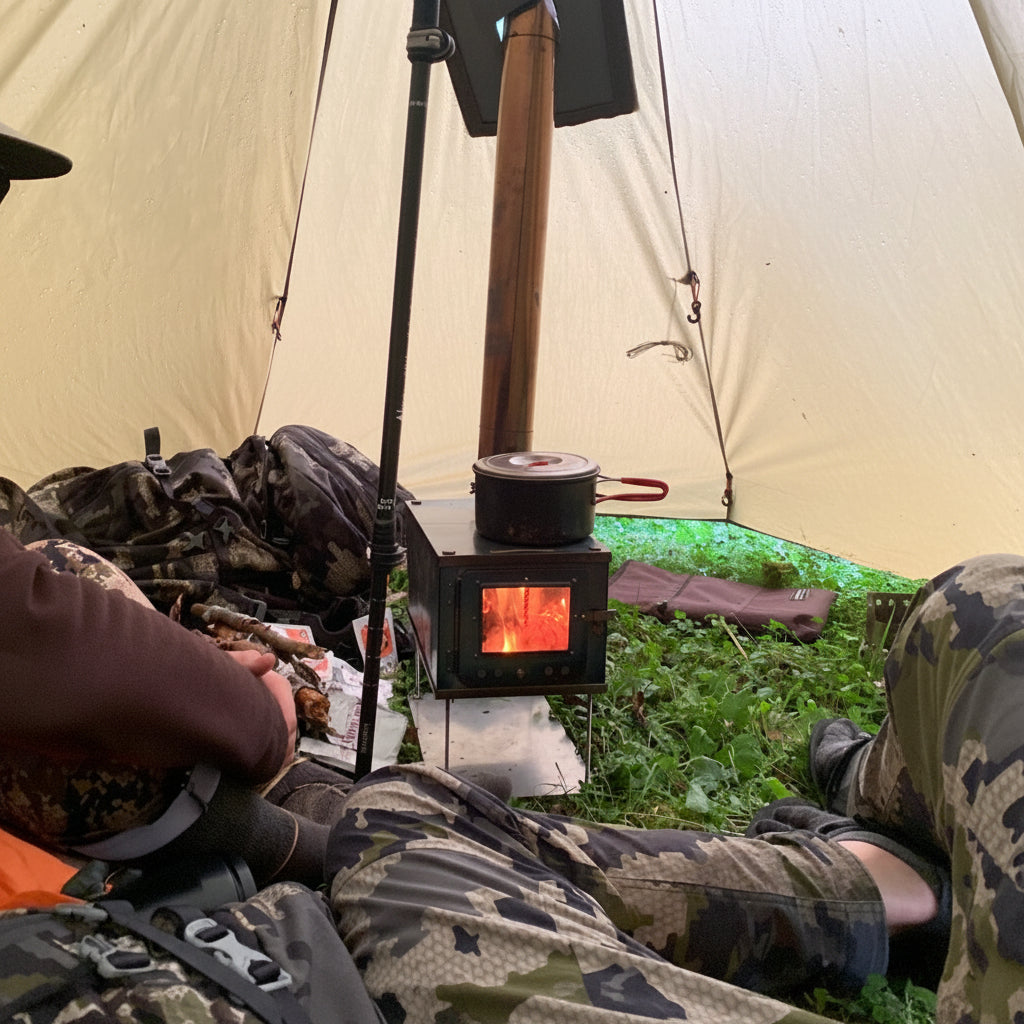
When you're setting up a hot tent with a wood stove, one of the most important calculations you'll make is figuring out how much firewood you actually need. The answer isn't one-size-fits-all—it depends heavily on the size of your tent.

The Basic Principle: Tent Volume and Heat Demand
A larger tent contains more air that needs to be heated and maintained at a comfortable temperature. The relationship is straightforward: as your tent's interior volume increases, your wood stove must work harder and longer to reach and sustain warmth. This directly translates to increased firewood consumption.
Think of it this way—heating a 400-square-foot bell tent requires significantly more energy than heating a 200-square-foot canvas shelter. The stove has to run longer and hotter, which means you'll burn through your wood supply faster.
Understanding the Ratio
While exact consumption varies based on outside temperature, wood moisture content, and stove efficiency, most experienced campers follow a practical guideline: a larger tent typically requires 1.5 to 2 times more firewood than a smaller one, depending on the size difference.
For example, if a small 200-square-foot tent uses about 15 pounds of firewood per night in cold conditions, a 400-square-foot tent might consume 25 to 30 pounds. The larger space demands more fuel to maintain consistent warmth throughout the night.
The Hidden Labor: Processing Firewood in the Field
One aspect of larger tent setups that often catches campers off guard is the additional work required to process firewood on-site. When you're heating a bigger space, you're not just burning more wood—you're also spending considerably more time preparing it.
Larger tents demand a steady, consistent supply of split wood throughout your trip. This means more cutting, splitting, more stacking, and more active management of your fuel supply. What might take 15 minutes of wood prep for a small tent can easily stretch to 45 minutes or an hour for a larger setup, especially if you're working with rounds that need to be split into usable pieces.
The physical demands add up quickly. Splitting wood in cold weather, at elevation, or in challenging terrain takes energy you might prefer to conserve. You'll also need to organize and store larger quantities of processed wood, which requires more space and planning at your campsite. Wet or frozen wood becomes even more labor-intensive to process, and larger tents mean you can't afford to skip a day of preparation without risking inadequate fuel supply.
This is why many experienced overland hot tent campers bring pre-split, seasoned firewood when possible, or invest in a quality camp axe and splitting maul designed for field work. The time you save on processing is time you can spend enjoying your trip instead of working through your fuel pile.
Factors That Influence Your Actual Needs
Beyond tent size, several variables affect how much wood you'll burn. Ambient temperature is critical—a winter camping trip will demand far more firewood than a shoulder-season adventure. The moisture content of your wood matters too; seasoned, dry wood burns more efficiently than green or wet wood, meaning you'll need less of it.
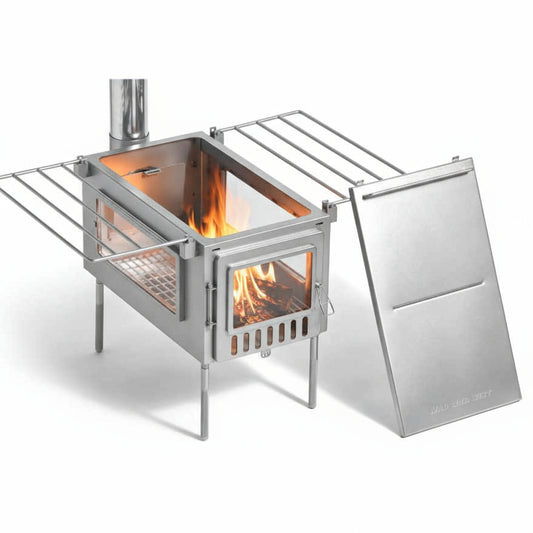
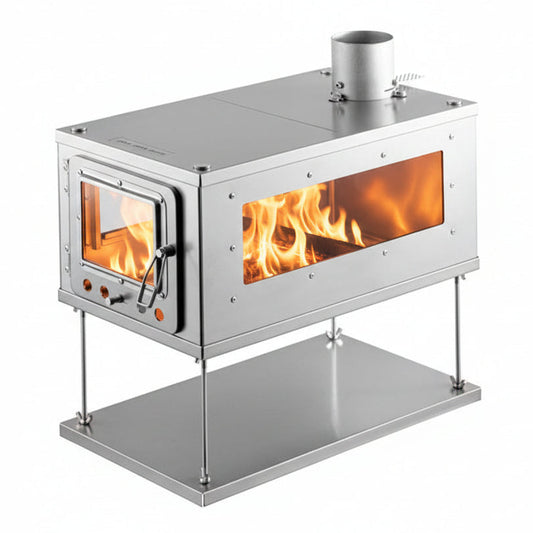
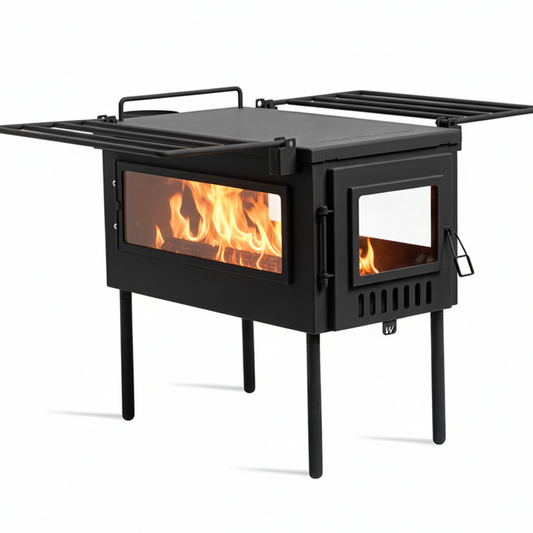
Your stove's design and efficiency rating also play a role. A well-engineered wood stove with a proper design and airflow control will heat your tent more effectively, reducing overall consumption. Finally, how well your tent is insulated against drafts directly impacts how hard your stove must work.
Planning Your Firewood Supply
When packing for a trip, it's better to overestimate than run short. For a larger tent, plan for at least 30 to 50 pounds of seasoned firewood per night in winter conditions, adjusting downward for milder weather. Split your wood into varied sizes—larger pieces for sustained burns, smaller kindling for quick ignition—to maximize efficiency.
Store your firewood in a dry location, and keep extra wood protected from moisture at your campsite. A wet wood supply can force your stove to work overtime, defeating the purpose of having adequate fuel on hand.
Understanding this ratio helps you pack smarter, stay warmer, and enjoy your hot tent experience without the stress of running low on fuel when temperatures drop.
The Hidden Labor: Processing Firewood in the Field
One aspect of larger tent setups that often catches campers off guard is the additional work required to process firewood on-site. When you're heating a bigger space, you're not just burning more wood—you're also spending considerably more time preparing it.
Larger tents demand a steady, consistent supply of split wood throughout your trip. This means more cutting, splitting, more stacking, and more active management of your fuel supply. What might take 15 minutes of wood prep for a small tent can easily stretch to 45 minutes or an hour for a larger setup, especially if you're working with rounds that need to be split into usable pieces.
The physical demands add up quickly. Splitting wood in cold weather, at elevation, or in challenging terrain takes energy you might prefer to conserve. You'll also need to organize and store larger quantities of processed wood, which requires more space and planning at your campsite. Wet or frozen wood becomes even more labor-intensive to process, and larger tents mean you can't afford to skip a day of preparation without risking inadequate fuel supply.
This is why many experienced overland hot tent campers bring pre-split, seasoned firewood when possible, or invest in a quality camp axe and splitting maul designed for field work. The time you save on processing is time you can spend enjoying your trip instead of working through your fuel pile.