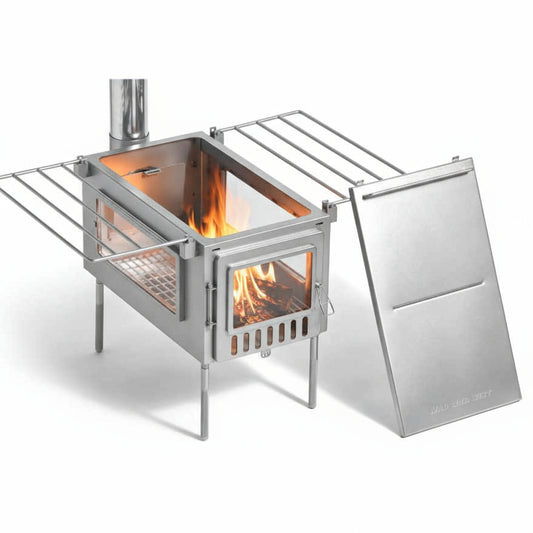
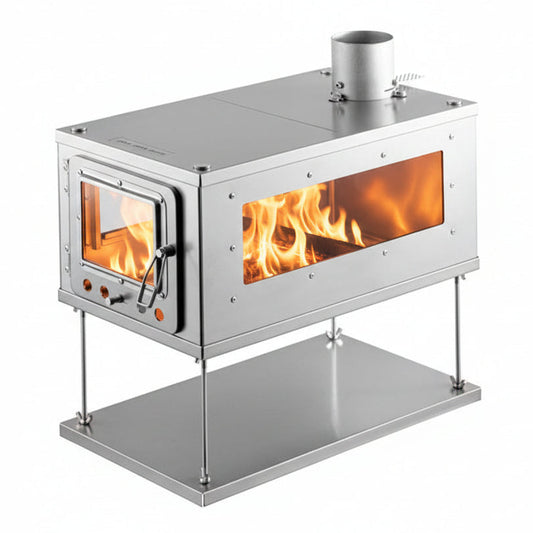
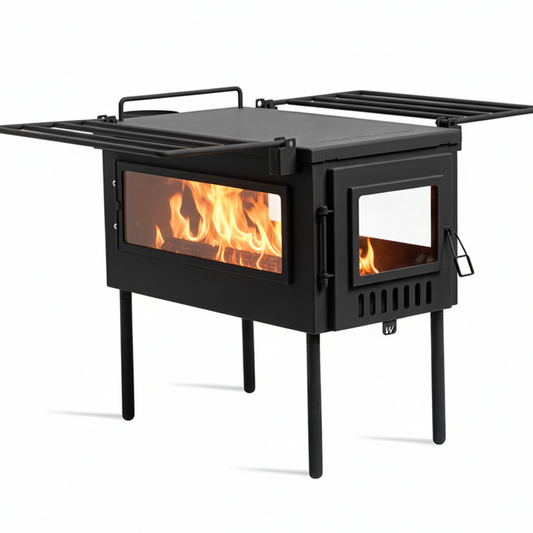
Why Hot Coals Matter More Than Firewood Flames Using Tent Wood Stove
When it comes to heating with a tent wood stove, most people assume that more firewood means more heat. But experienced users know a different truth: the quality and state of your coals matter far more than the sheer volume of wood you burn.

The Real Heat Source: Coals, Not Flames
Flames look impressive and feel warm, but they're actually inefficient heat producers. The real thermal energy in a wood stove comes from hot coals—the glowing, dense residue left after wood has burned down. Coals burn at higher temperatures and release heat more steadily and completely than active flames ever can.
When you focus on building and maintaining a strong bed of coals, you're creating a consistent, controllable heat source. This is why experienced wood stove operators spend
Longer Burn Times With a Strong Coal Bed
One of the most practical benefits of prioritizing coals over volume is extended burn time. A well-established coal bed continues radiating heat long after you've stopped actively feeding the stove. This is especially valuable in a tent setting where you want steady warmth throughout the night without constant attention.
When you maintain a solid coal foundation, each piece of wood you add burns more completely and contributes to the coal bed rather than just producing quick, short-lived flames. The result is predictable heat that lasts hours between refueling, rather than the feast-and-famine cycle you get from flame-focused burning.
In cold camping conditions, this difference translates directly to comfort. You can load your stove strategically in the evening, let the coal bed do its work, and wake to a warm tent—all while using significantly less wood than you would if you were constantly chasing flames.
managing their coal bed rather than constantly adding fresh logs.
Why Volume Doesn't Equal Efficiency
Piling wood into your stove doesn't guarantee better heating. In fact, overstuffing can work against you. Too much wood at once smothers the coals, reduces oxygen flow, and creates incomplete combustion. You end up with more smoke, more creosote buildup in your chimney, and less actual heat reaching your space.
A smaller, well-managed coal bed will outperform a stove crammed with wood every single time. The difference is dramatic once you understand the mechanics.
Building and Maintaining Your Coal Bed
Start with properly seasoned hardwood—this is non-negotiable. Dry wood creates better coals. Add wood strategically to your existing coal bed rather than clearing it out and starting fresh. This keeps your heat production steady and your stove operating at peak efficiency.
Allow coals to develop fully before adding more fuel. You'll notice the difference in heat output, fuel consumption, and how long your stove stays warm between refueling cycles.
The Practical Advantage
Understanding coal-focused heating means you'll burn less wood overall, spend less time managing your stove, and get more consistent warmth. It's the difference between working with your wood stove and fighting against it.